
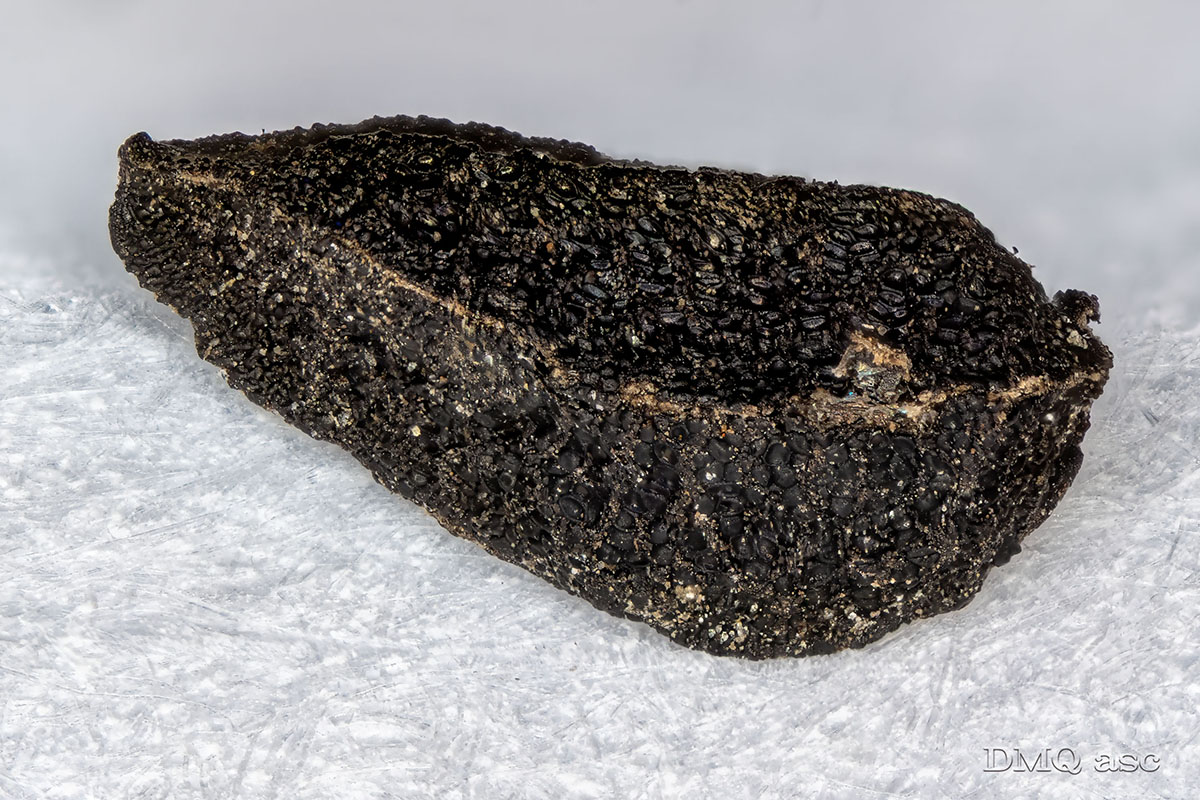
Macro photography… in the kitchen.
It is a part of photography that has many applications. Thanks to it, we can enlarge objects multiple times. We can see things we encounter every day but don’t notice the details. Objects that are 1-2 mm in size become so large that we can literally face, for example, an ant. A wasp’s head can fill the entire screen with the smallest details.
There are many techniques for macro photography. We can use magnification on an insect with a telephoto lens or a special lens for this type of photography. In this post, I used a Laowa 25mm F2.8 (2.5-5X Ultra Macro) lens, plus I used two extension tubes of 10+16 mm for smaller elements. In the future, I will also discuss microphotography and macro photography with a telephoto lens.
Every photo with high magnification comes with a very shallow depth of field, meaning if I focus on the wasp’s eye, the back of its head becomes blurry, not to mention the rest of the body. Therefore, to maintain focus across the entire area, it is necessary to use several, a dozen, or even several hundred photos where the focus shifts. This number of photos is combined in special software that picks the best focus and combines them into a final image.
In my case, to create the images below, I used Helicon Focus software, specifically the pyramid [C] method. I took anywhere from 102 to 448 photos with a remote shutter release connected to the camera to create one final photo, where the focus was shifted along a macro photography rail with a scale of 0.01mm (in my case, I used increments of 0.01 or 0.02 mm). The more photos and the higher the focus density, the more accurately we reproduce the photographed object.
The magnification I used ranged from 4.5:1 to around 6.5:1.
The objects were illuminated with three light sources to create a natural depth of the product: natural white light from the front and warm light from portable LEDs with a 2700K color temperature on the sides.
The items I magnified for this post were spices and other small foods found in the kitchen. I could afford full comfort in getting close-ups without worrying about the subject escaping from the lens. When photographing spiders or insects, we need to consider the speed of taking the series of photos, as this reduces the number of images, and the focus may blur, making the photo less precise. Macro shots of animals will also be coming soon.
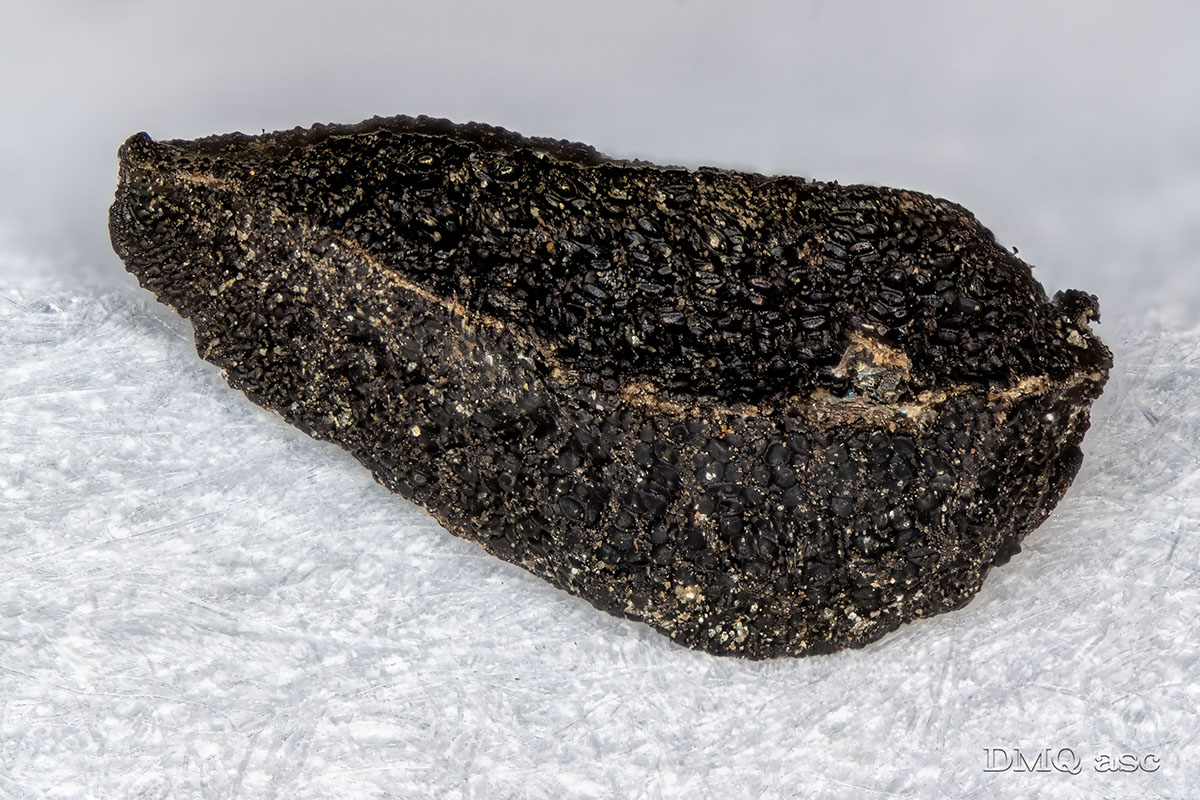
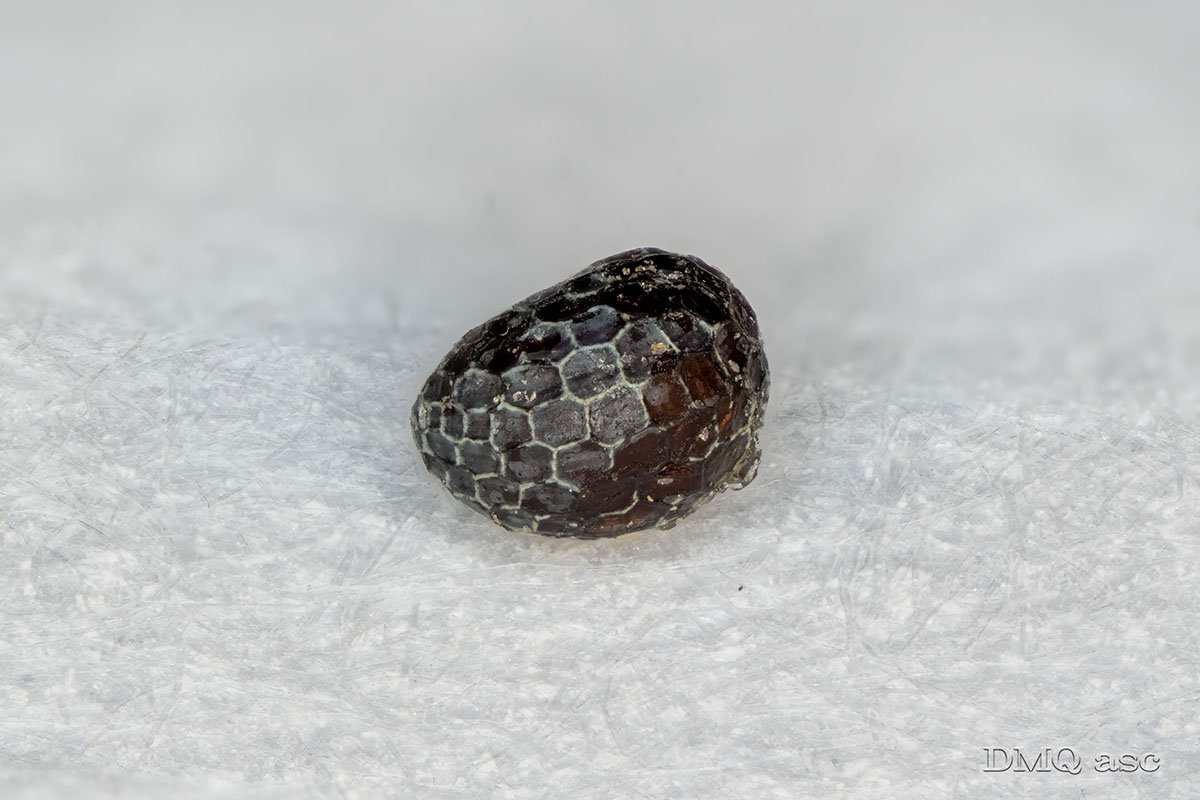
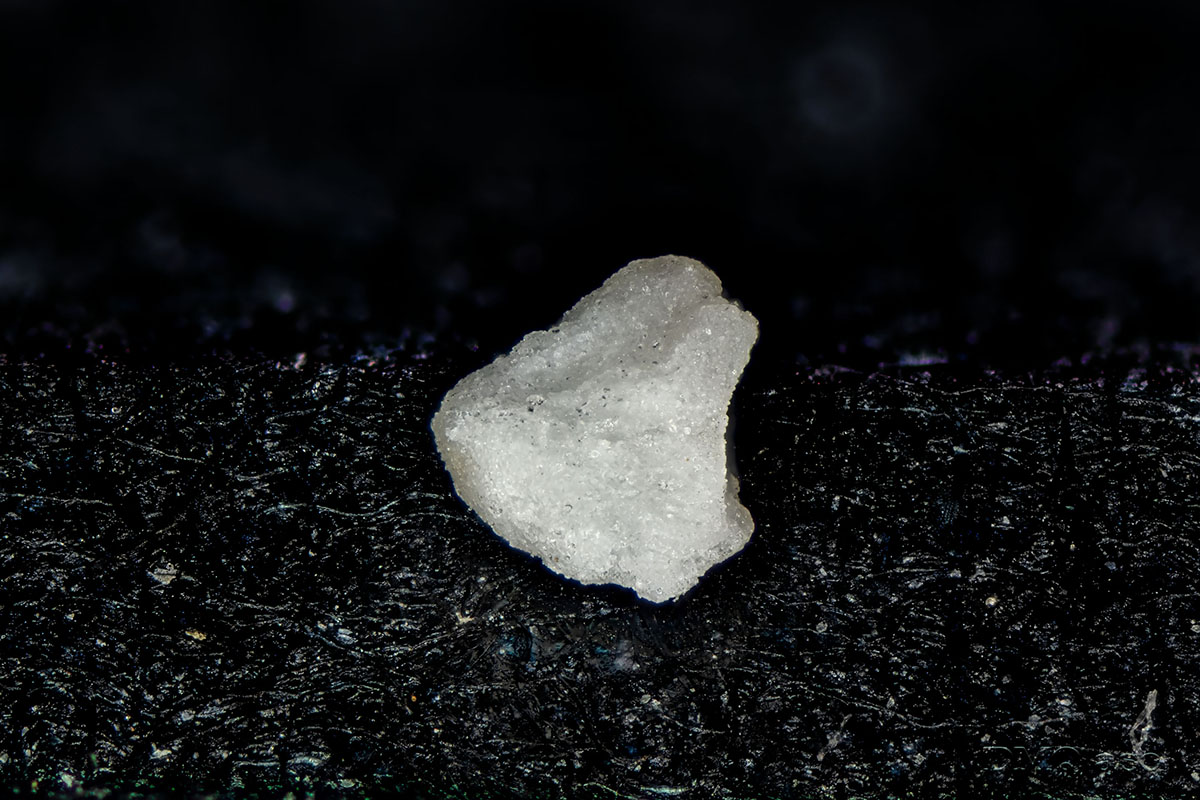
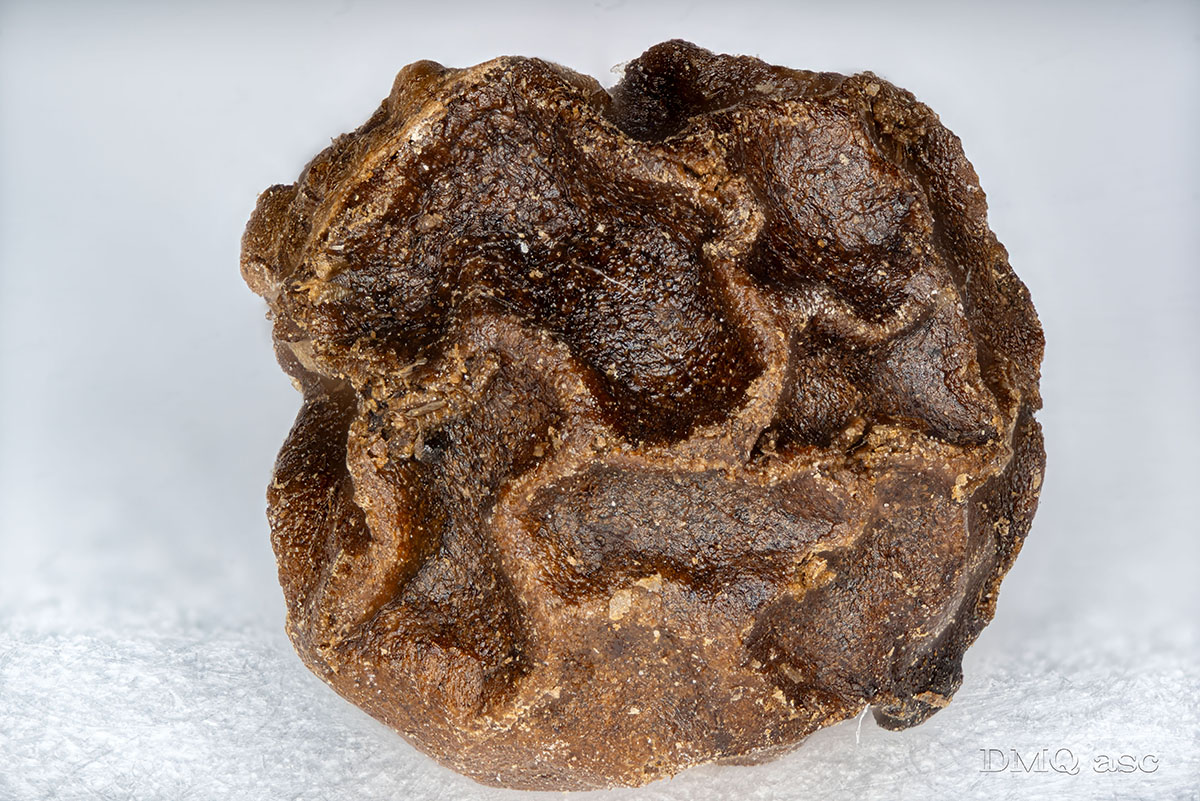
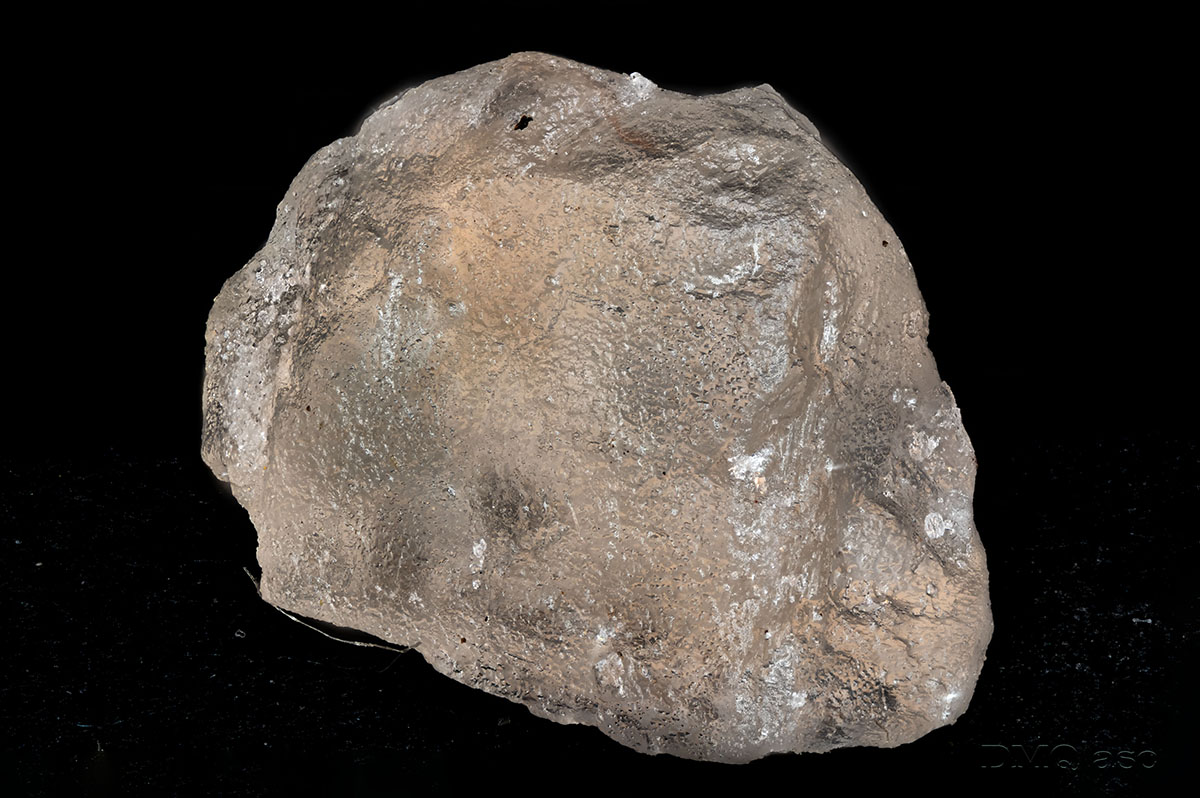
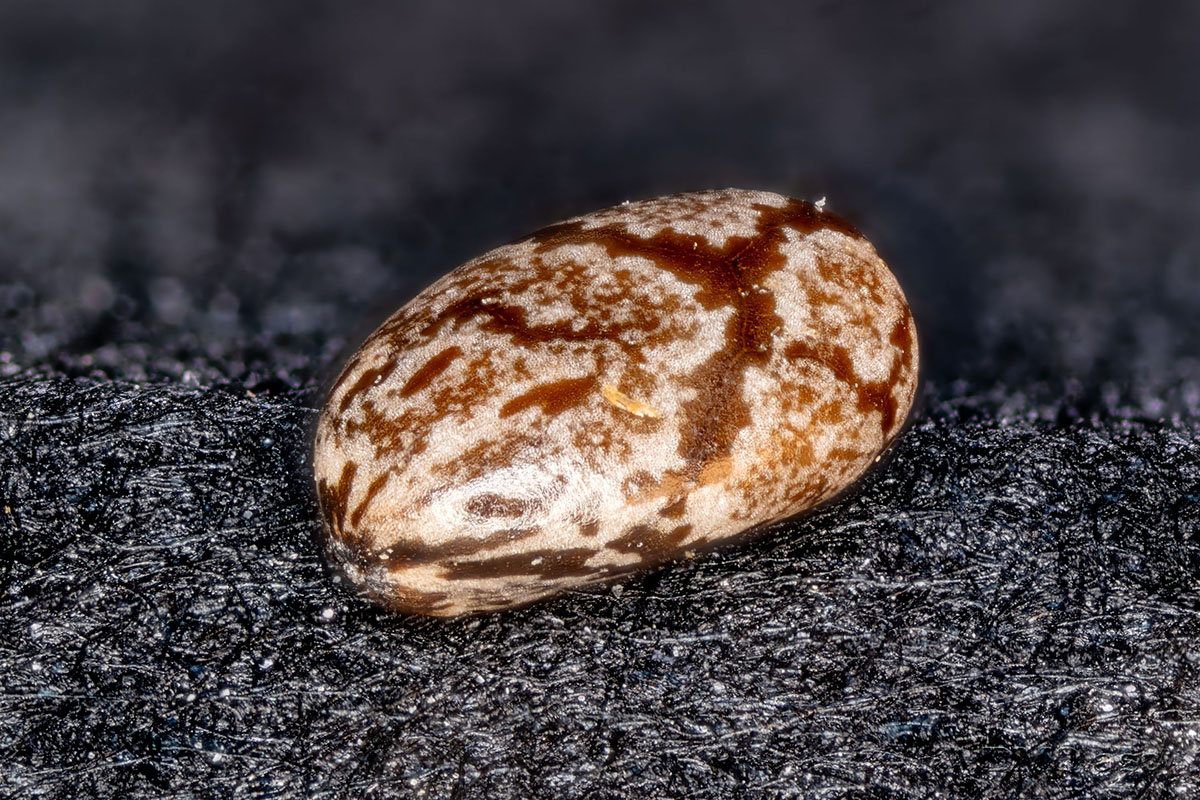
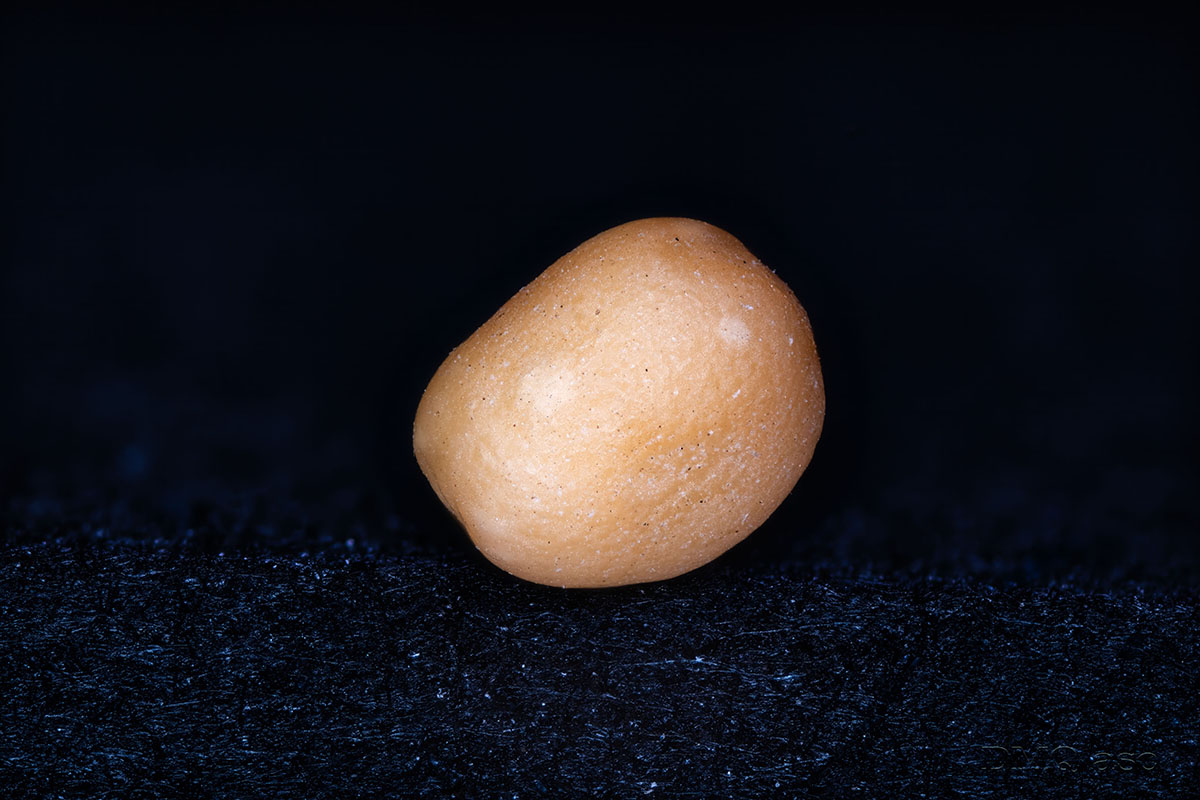
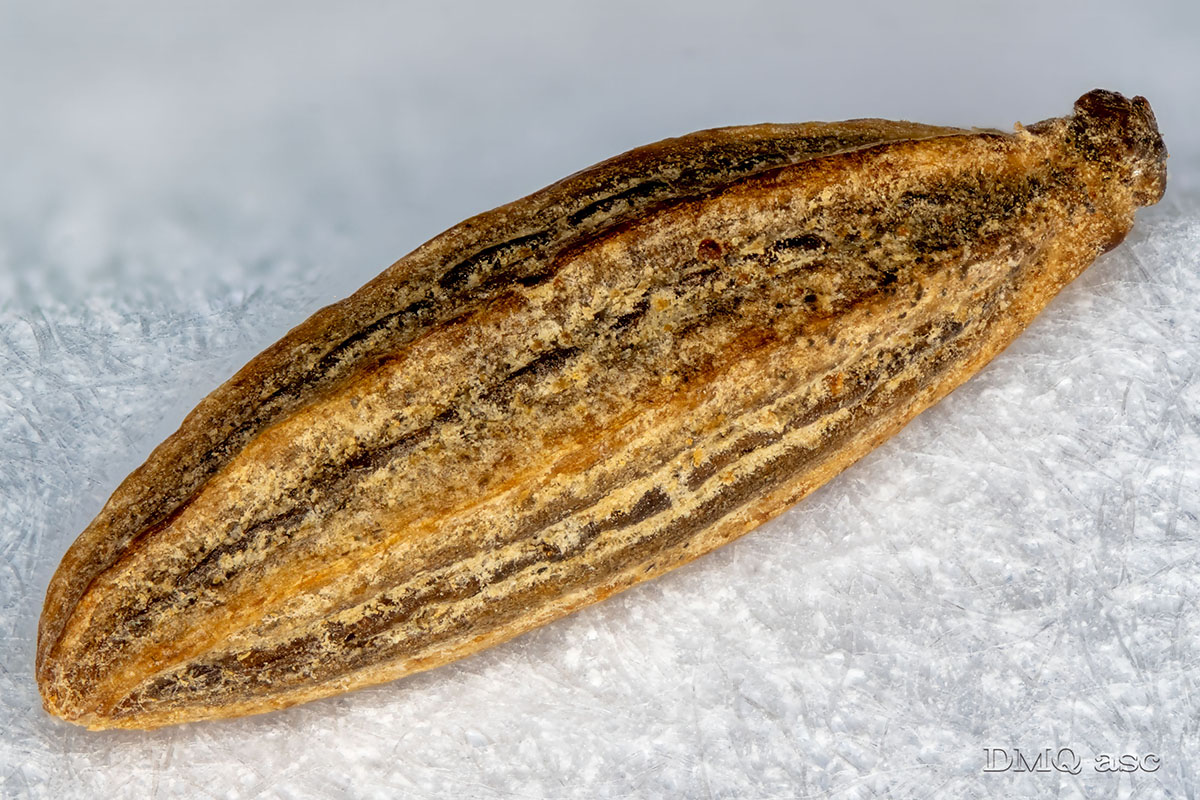
I selected 8 out of many items to show up close the structure of everyday spices or food ingredients. My models were black cumin, poppy seeds, semolina (prepared), black pepper, Himalayan salt, chia seeds, white mustard, and caraway. The image shows one grain or crumb of each. Each of them has a description of how it was created and its intended purpose. I based my work on raw files to get as close as possible to defining the structure or color.
Source for the description of the photographed items:
https://pl.wikipedia.org/
https://www.medonet.pl/
The selected graphics illustrate my skills in changing and affecting the visual appearance of a person, object, or landscape based on the original background. The final effect is subjective and covers a specific time frame. Each of us perceives things differently, and each of us has a different time frame or skill set. Posts published periodically with a specific thematic project aim to systematically collect materials illustrating graphic possibilities.
Enjoy watching!