

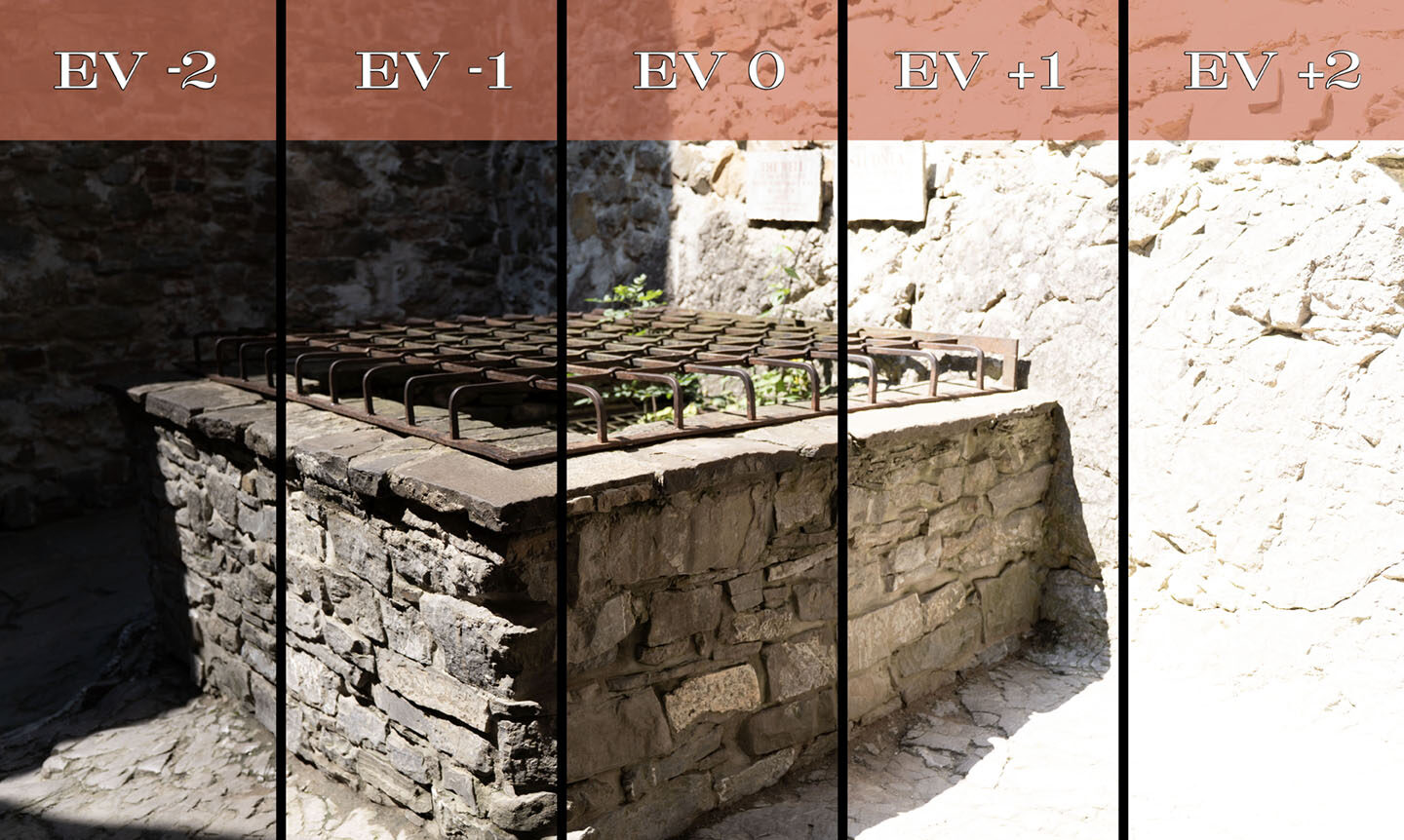
HDR photo, or High Dynamic Range, is a photographic technique that allows you to capture more detail in both the bright and dark parts of an image. This is achieved by combining several shots of the same scene, each taken with a different exposure value (EV). As a result, the effect is closer to what the human eye perceives compared to traditional single-exposure photography.
A photo is not just one press of the shutter button. It is not just one picture. There are many techniques for combining two or more images.
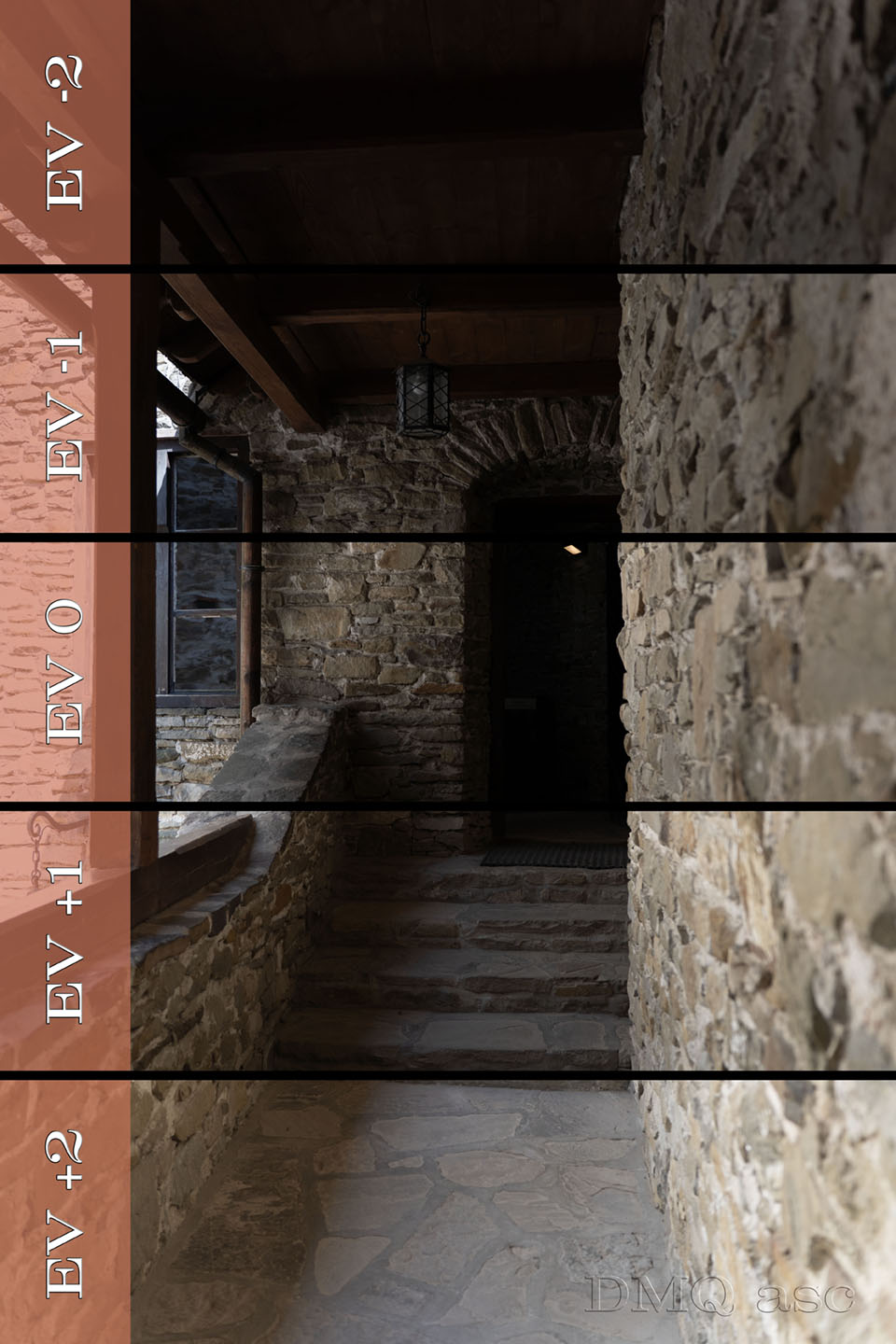
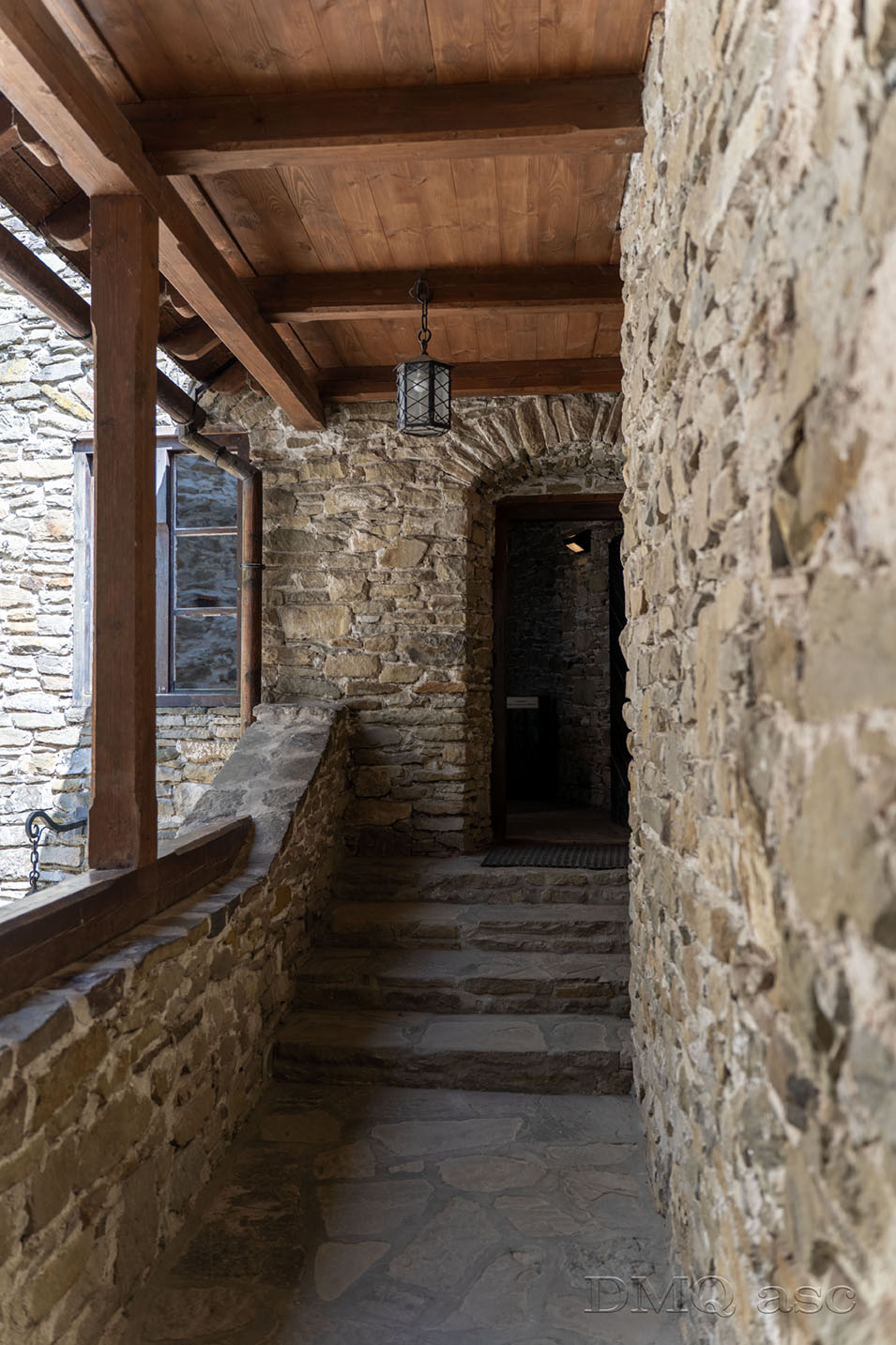
HDR photo, or High Dynamic Range, is a photographic technique that allows you to capture more detail in both the bright and dark parts of an image. This is achieved by combining several shots of the same scene, each taken with a different exposure value (EV). As a result, the effect is closer to what the human eye perceives compared to traditional single-exposure photography.
A photo is not just one press of the shutter button. It is not just one picture. There are many techniques for combining two or more images.
One of these methods is starking a process of merging multiple photos with a very narrow focus plane shifted through space. This technique is particularly effective for macro photography. I discussed this topic in a post from November 10, 2024, where a single final image was created from hundreds of shots combined in Helicon Focus.
Another technique is HDR stacking. This method is widely used and allows us to capture beautiful images even in challenging conditions specifically, when the scene has very high contrast with both very dark and very bright areas. These regions are difficult to balance in post-processing by simply brightening shadows or darkening highlights, as this can result in a loss of dynamic range and fine detail.
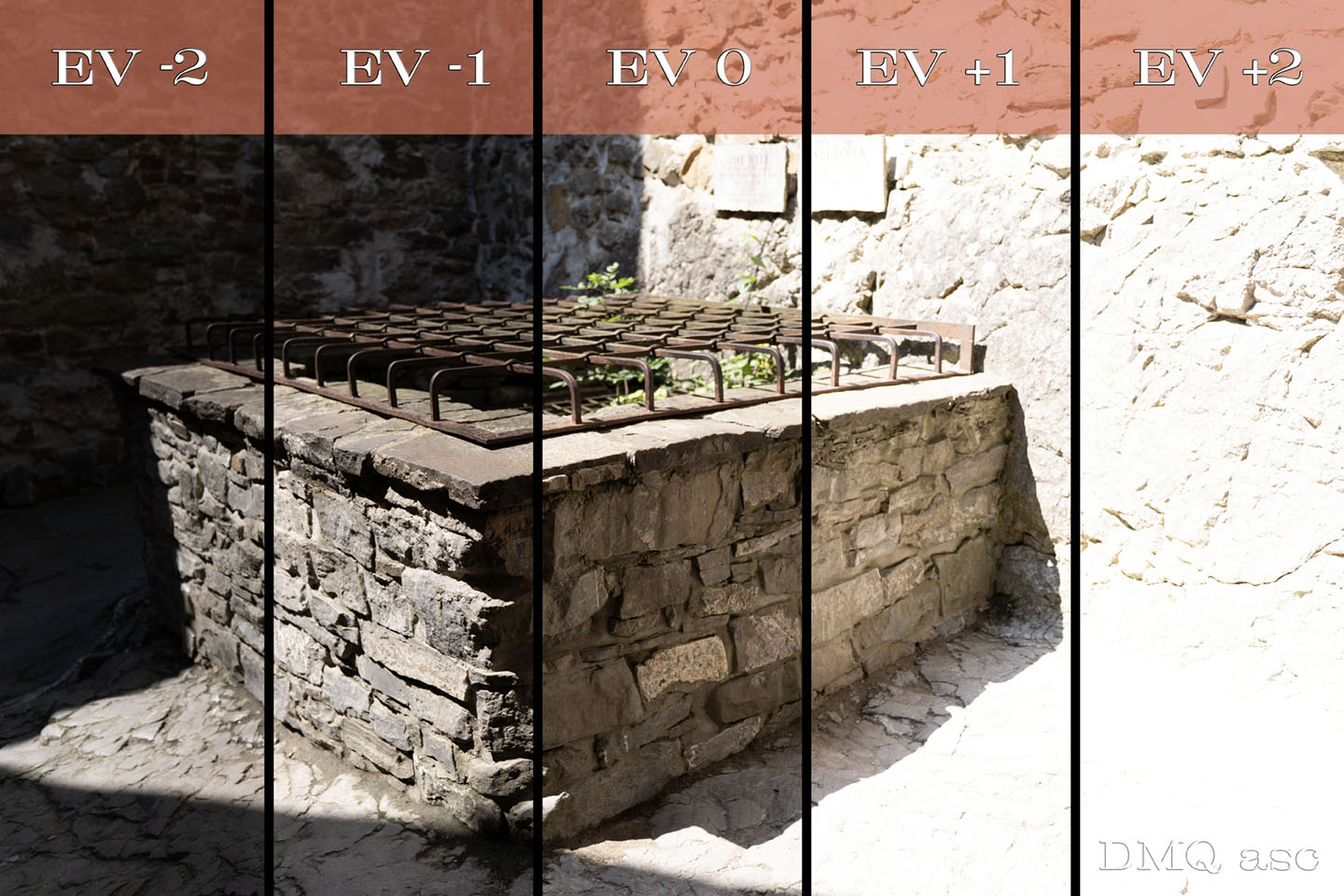
A series of HDR shots differs in exposure value (EV), and therefore in shutter speed, while keeping ISO and aperture (f) constant. This method allows us to brighten dark elements to reveal details in the final image and to darken very bright or even blown-out elements like the sun or the sky, recovering details such as cloud texture.
Photographers usually set EV to zero when taking a shot, although a good practice is to set EV to -0.3, since it is easier to brighten dark elements than to recover overexposed highlights. For HDR, additional shots are taken at incremental EV values, both positive and negative, while keeping EV=0 as the reference exposure. HDR can be composed of any number of differently exposed images, but ideally, the framing should remain the same—which is why it’s best to shoot from a tripod.
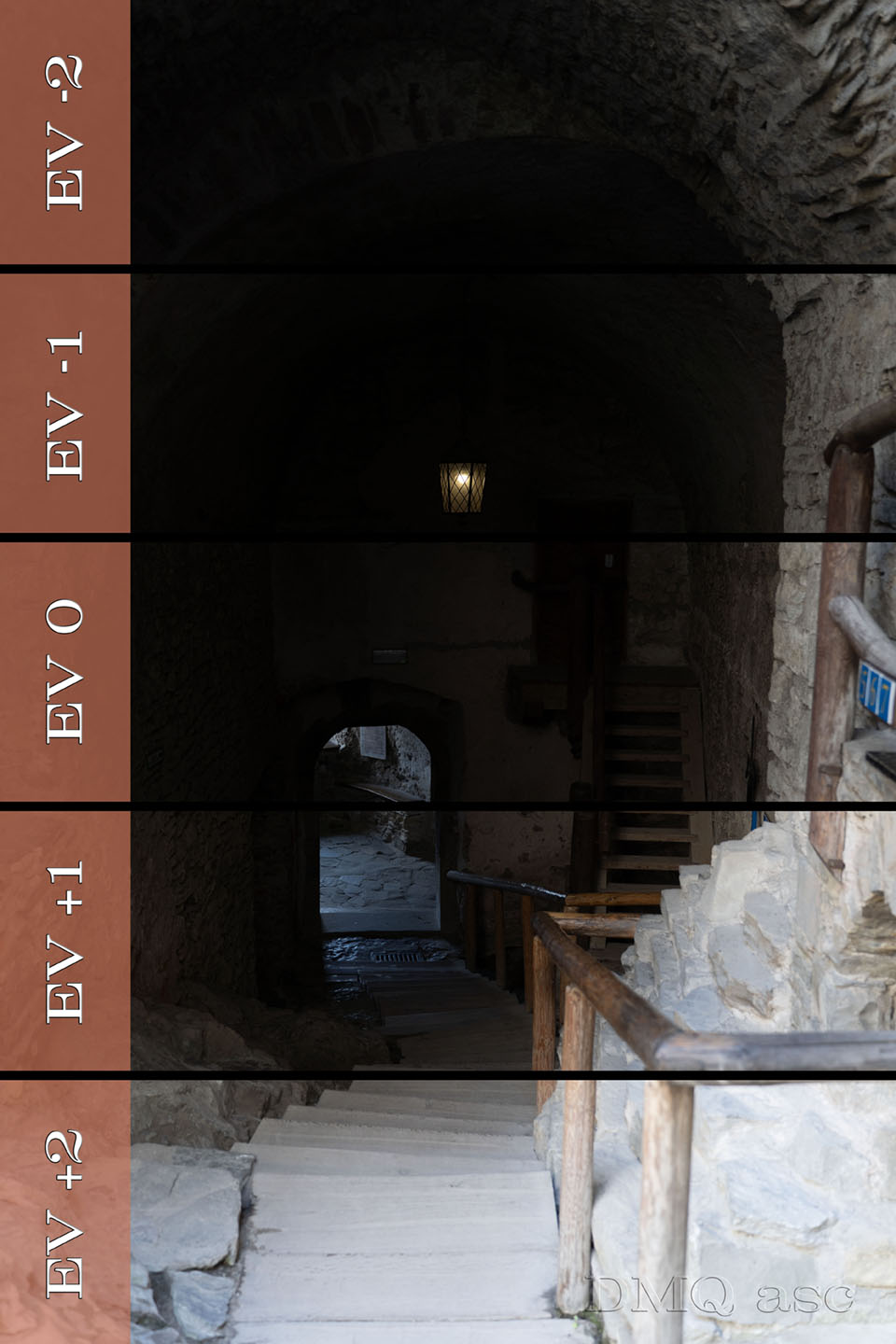
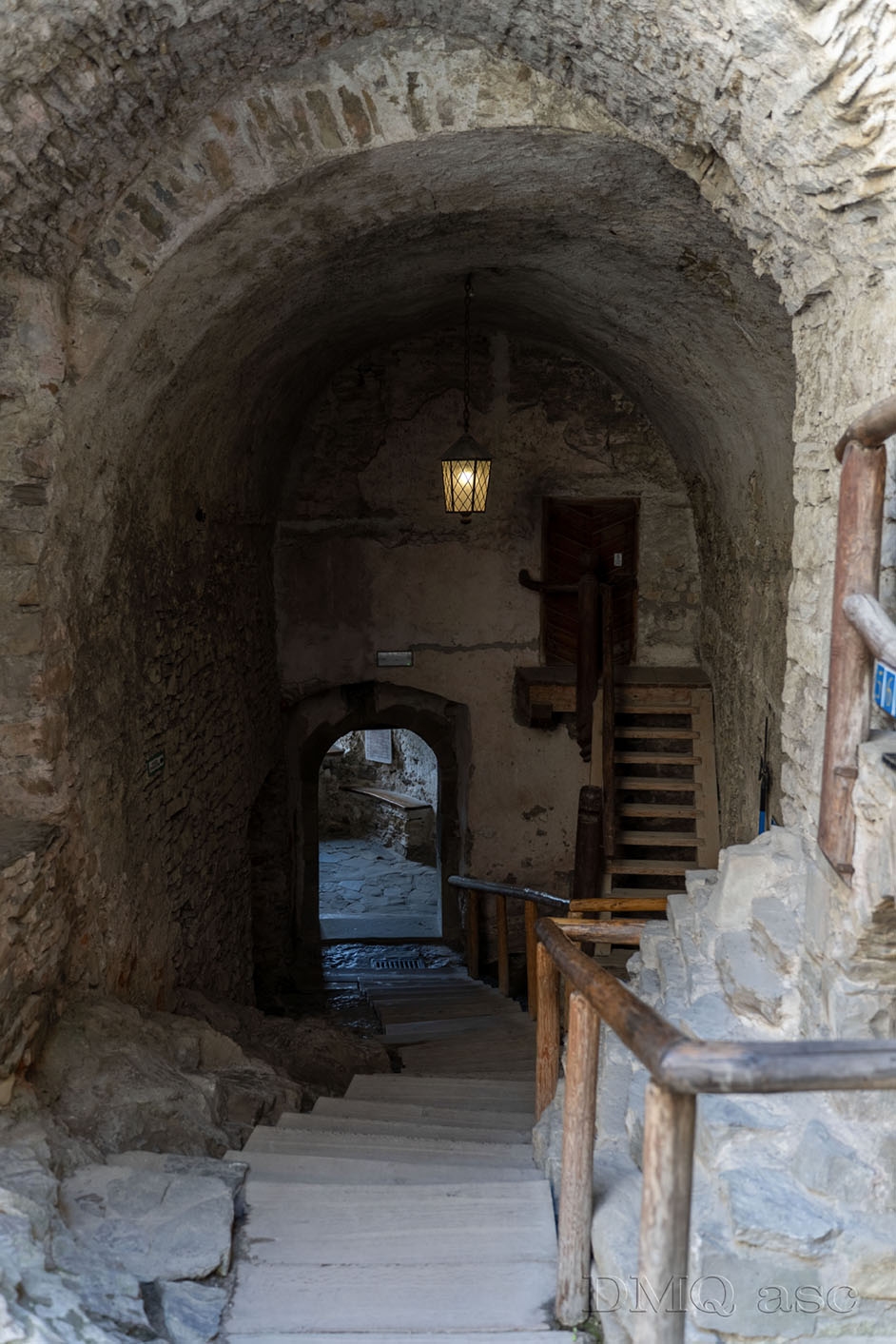
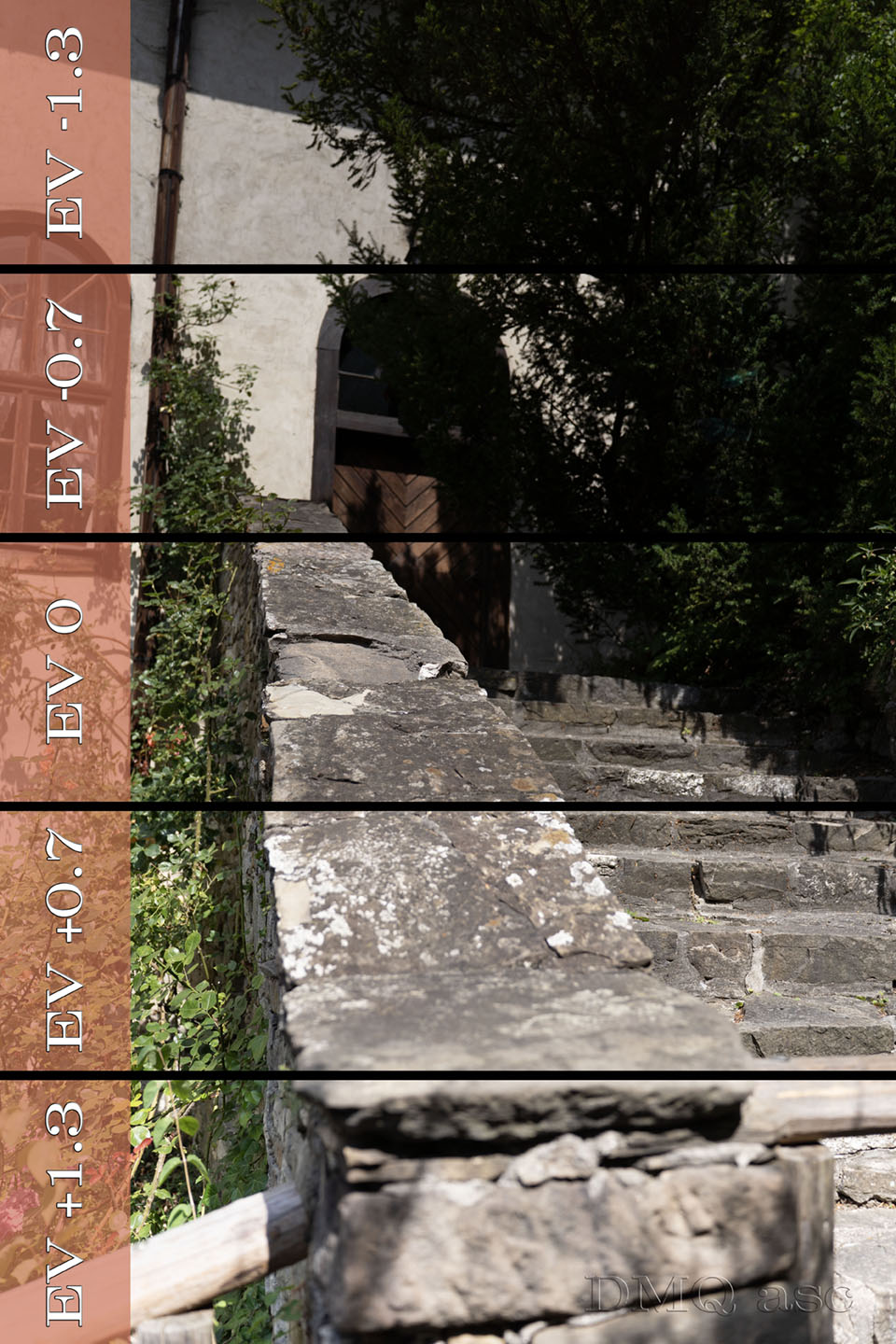
In this post, I created 5 final HDR images composed of 5 or even 9 exposures with increments of 0.7 or 1 EV. The number of exposures and increments was my decision, but the poorer the lighting conditions, the more exposures you should take to achieve a proper final image.
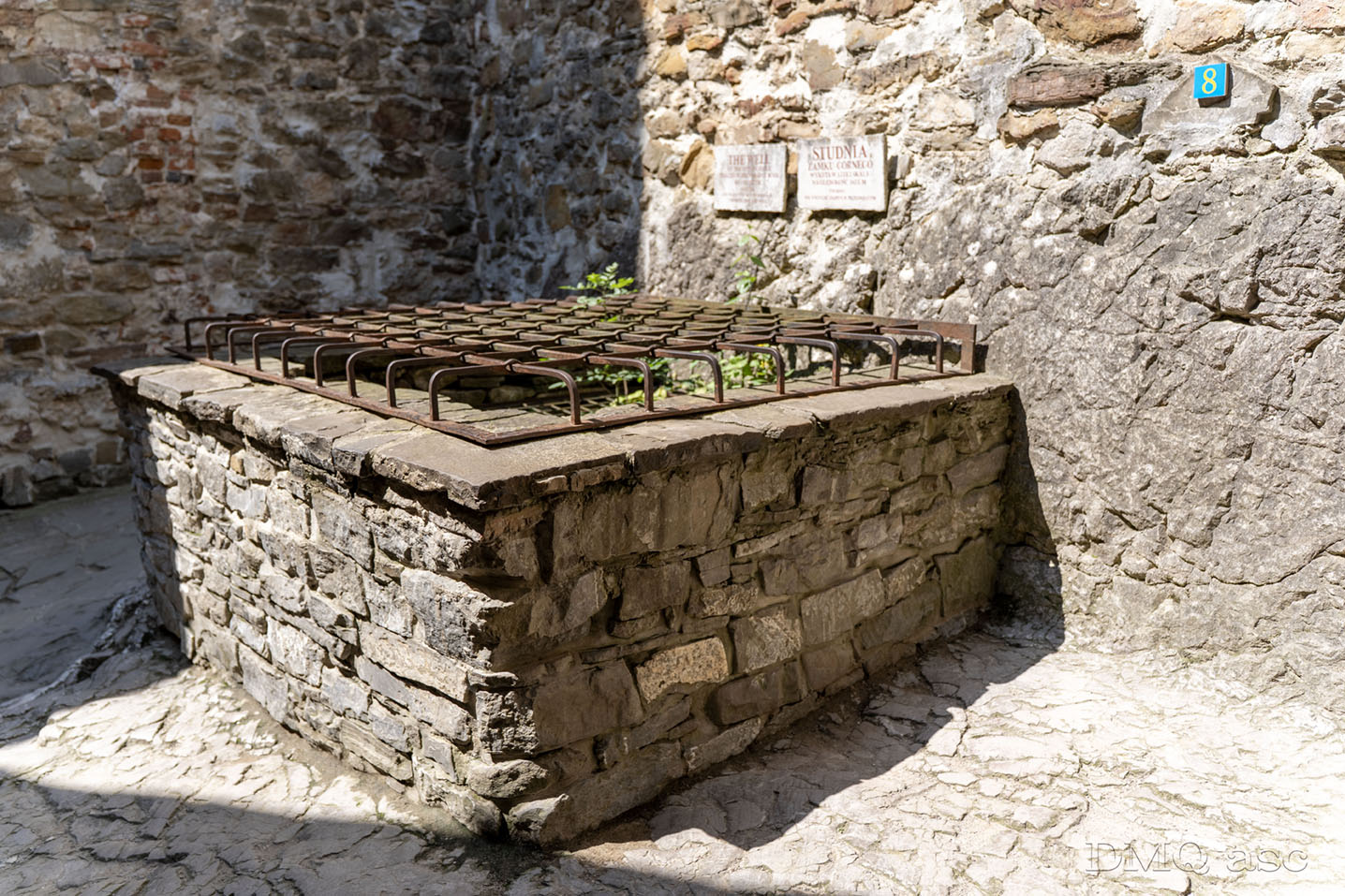
My chosen subject was Niedzica Castle. It provided the perfect contrast between the bright sunny weather and the castle’s dark corridors. This 14th-century fortress is an impressive structure embedded in the landscape of Lake Czorsztyn and the Pieniny Spiskie mountains.
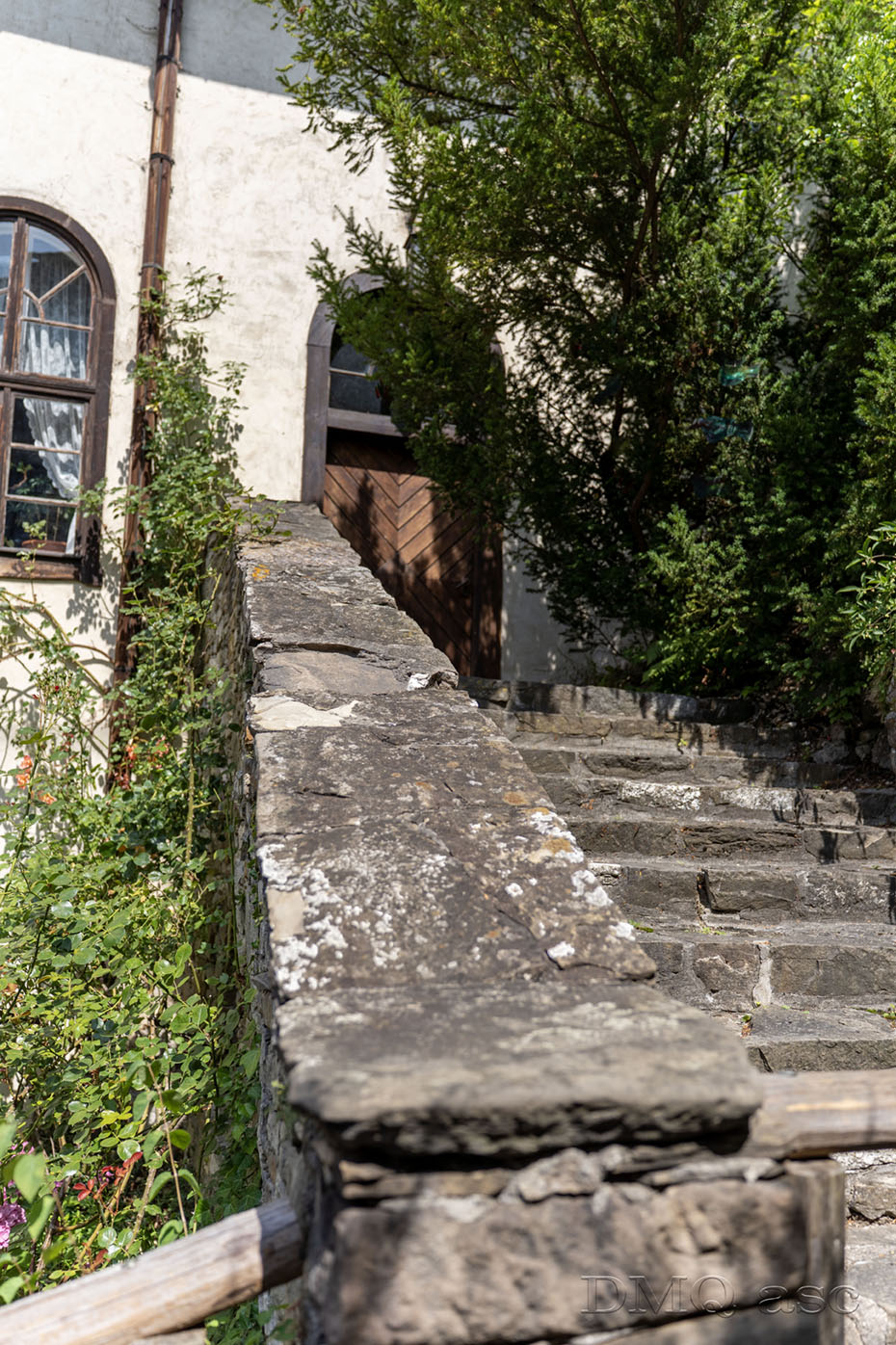
I highly recommend a guided tour to uncover more of the secrets hidden within its historic walls.
Initially, I considered focusing my HDR project on Pszczyna Castle, but perhaps there I will delicately incorporate AI tools to enliven the quiet atmosphere of that region.
The first four shots in this series were taken handheld, while the last one a panorama from the castle roof was taken on a tripod with 9 exposure variations. The images were merged in Adobe Camera Raw, a Photoshop plugin. It is important to keep the frame as stable as possible, with minimal subject movement. While some corrections can be made for moving people, drifting clouds, or flowing rivers, they are limited. In the last frame, for example, a bird was captured in each exposure, and since its final position could not be determined, a temporal trace of several birds appeared in the final image a kind of stop-motion effect. It could be removed in post-processing, but I left it for educational purposes.
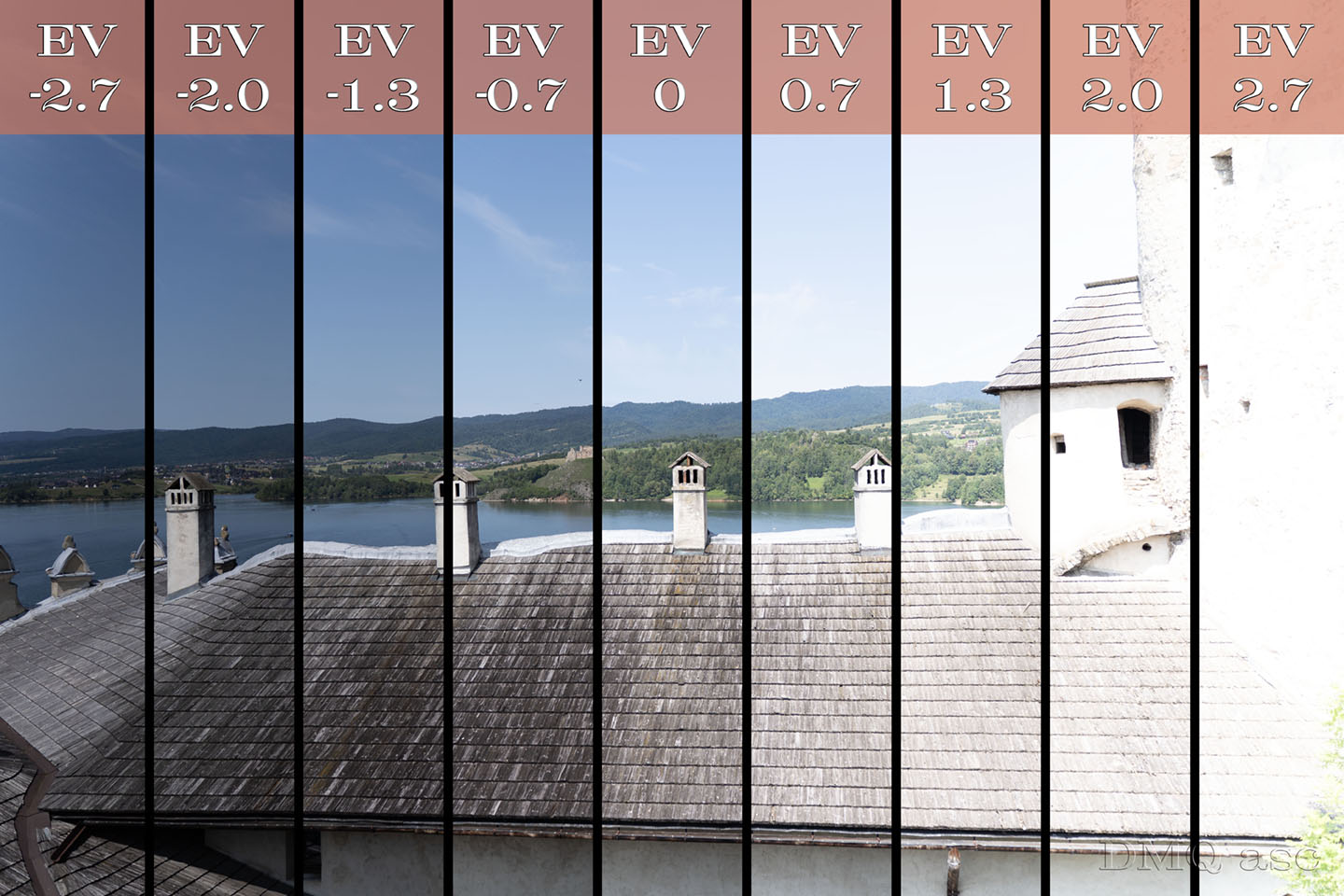
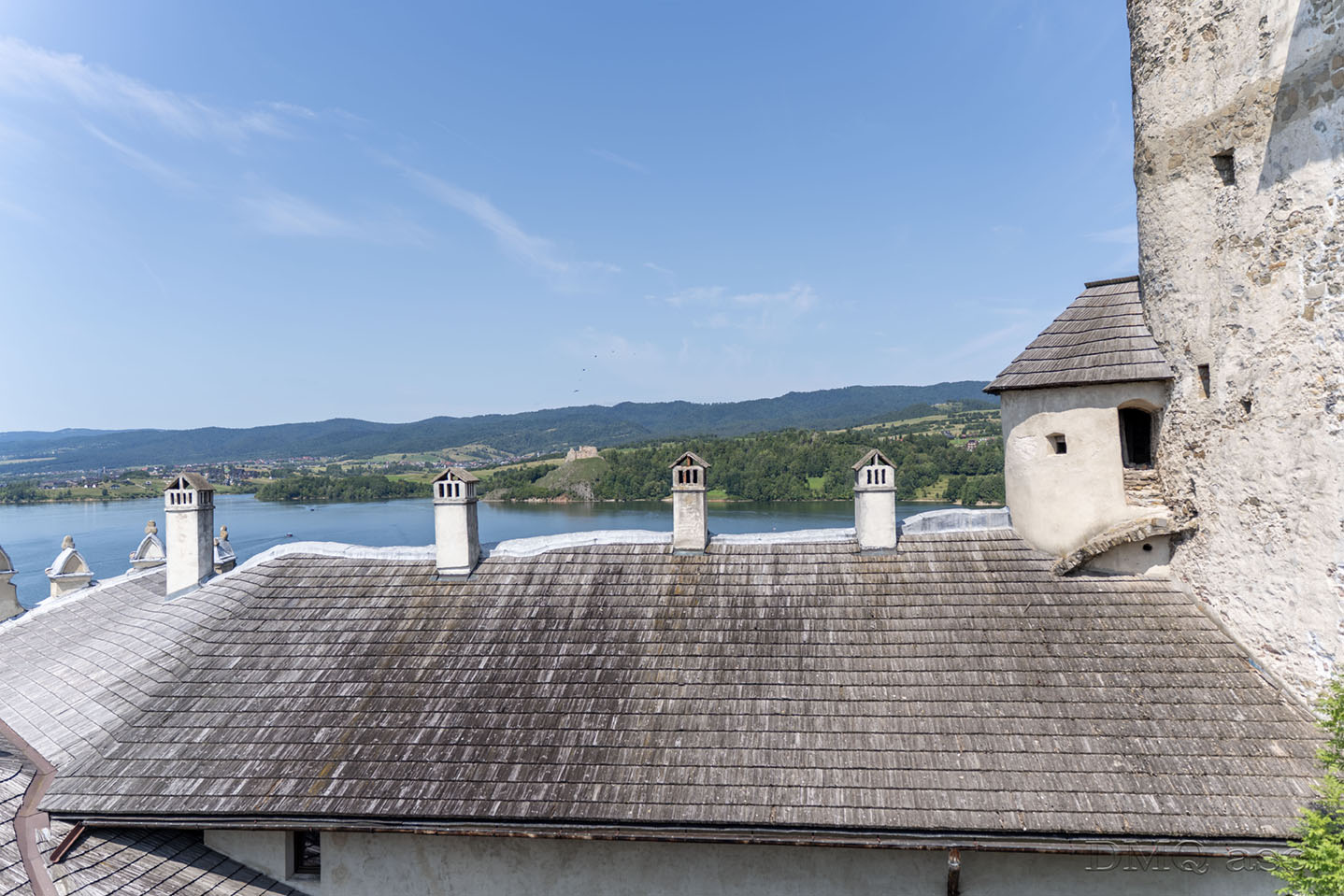
I included paired comparisons showing the same frame before and after HDR processing, along with collages illustrating different exposure conditions and detail extraction.
The final HDR images received no additional post-processing—no extra cropping or straightening—since I wanted to preserve the purest presentation of this technique.
In future posts, I will also cover panorama stacking with HDR, combining multiple frames across multiple exposures. I will also share a 360° video filmed with the Insta360 X5 camera I have been testing for several weeks. What makes this video special is that viewers can rotate the frame during playback—a very futuristic version of video.
Once again, I invite you to explore the entire region: Niedzica Castle, Czorsztyn, Lake Czorsztyn, the gateway to the Gorce Mountains, or even nearby Slovakia—whether on foot, by bike, or by car.
Castle website, where you can learn more about its ancient history or even stay overnight:
https://www.zamekniedzica.pl/