

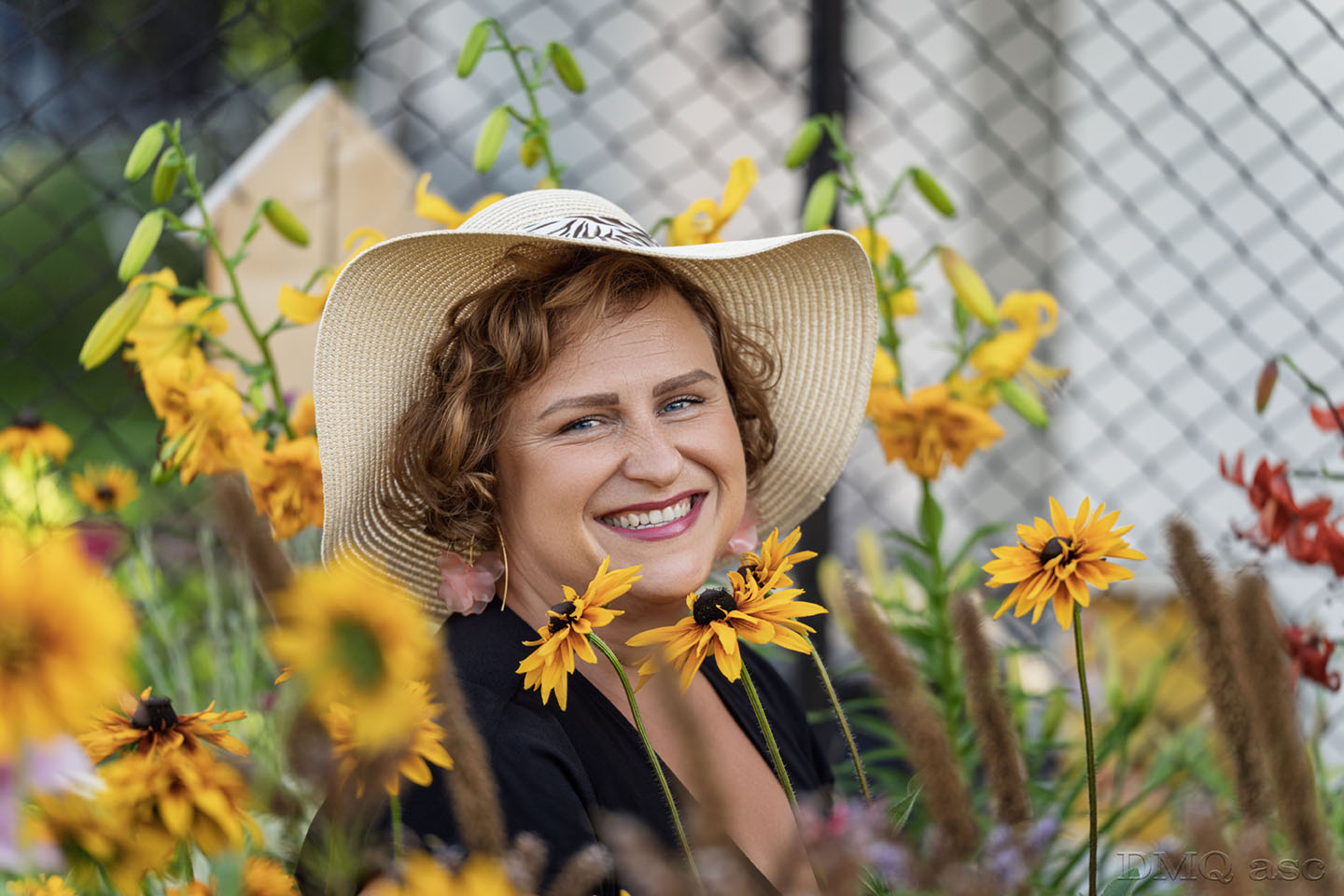
Photography helps us preserve a moment for longer. A captured moment allows us to carry certain feelings through time. Feelings awaken and bring back memories—memories that come with a smile or a touch of sentiment.
Although for me a photo is just a semi-finished product, I can still put myself in the right mindset, almost like stepping into the shoes of a well-known photographer. How well I managed to do that—you can judge for yourselves.
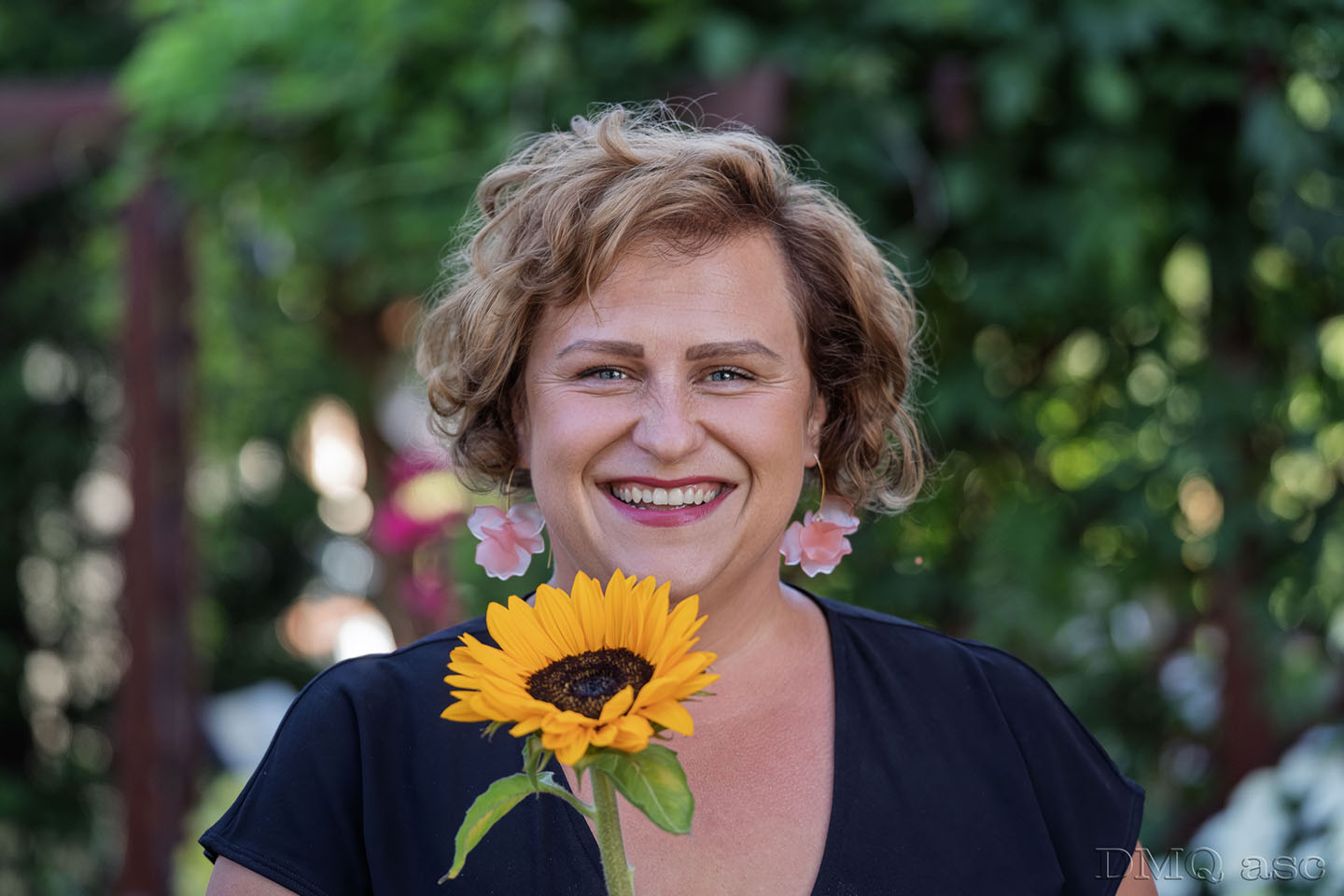
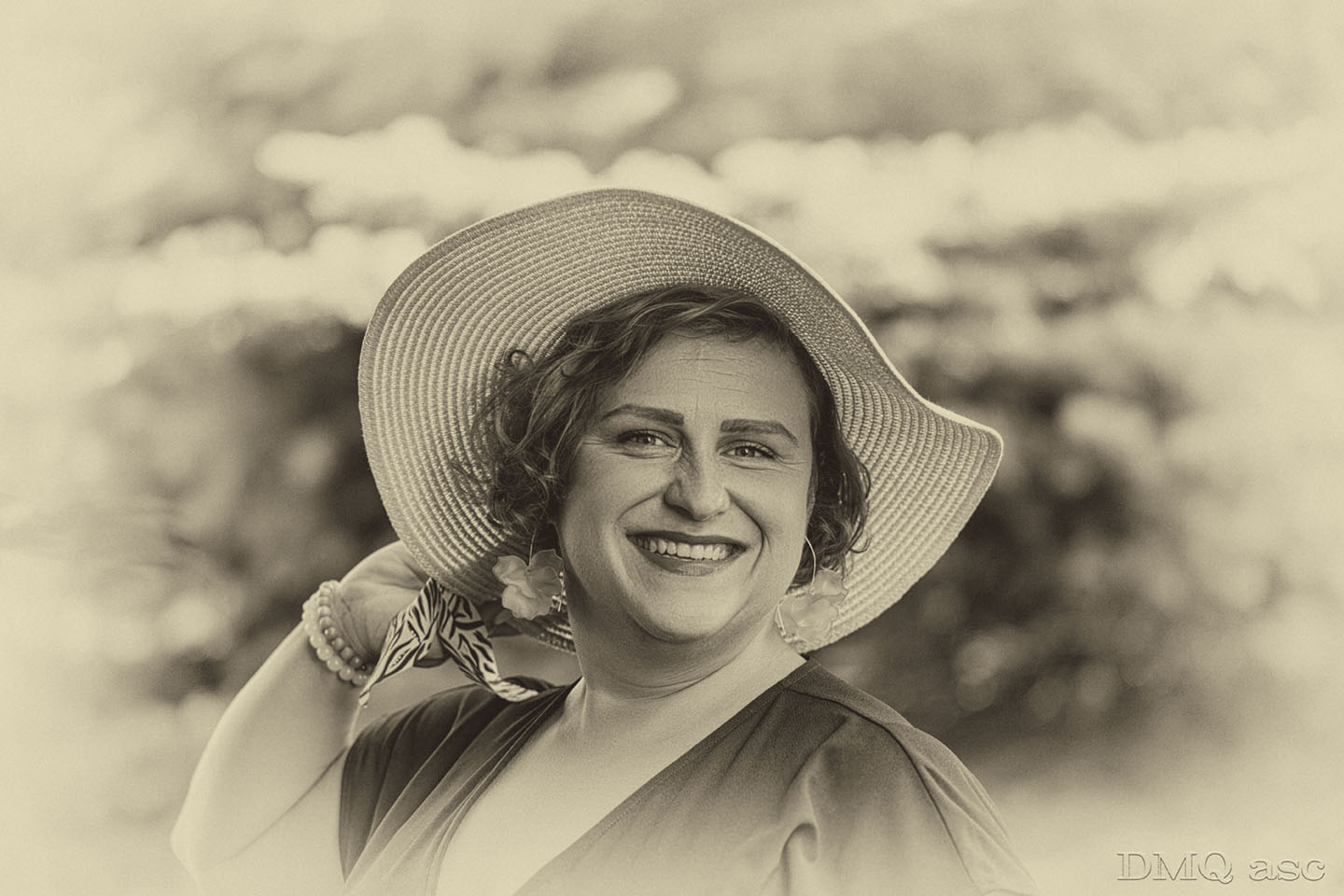
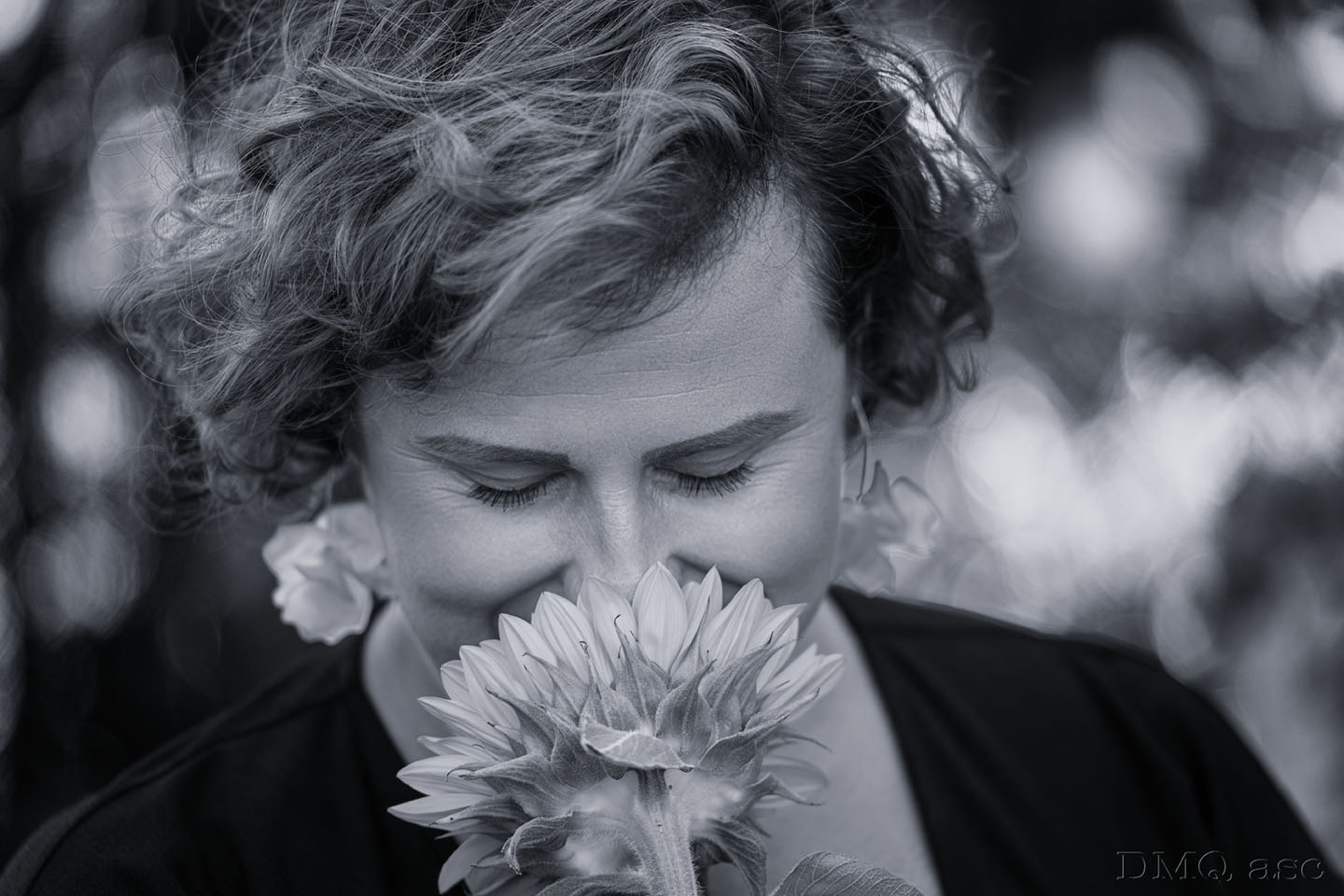
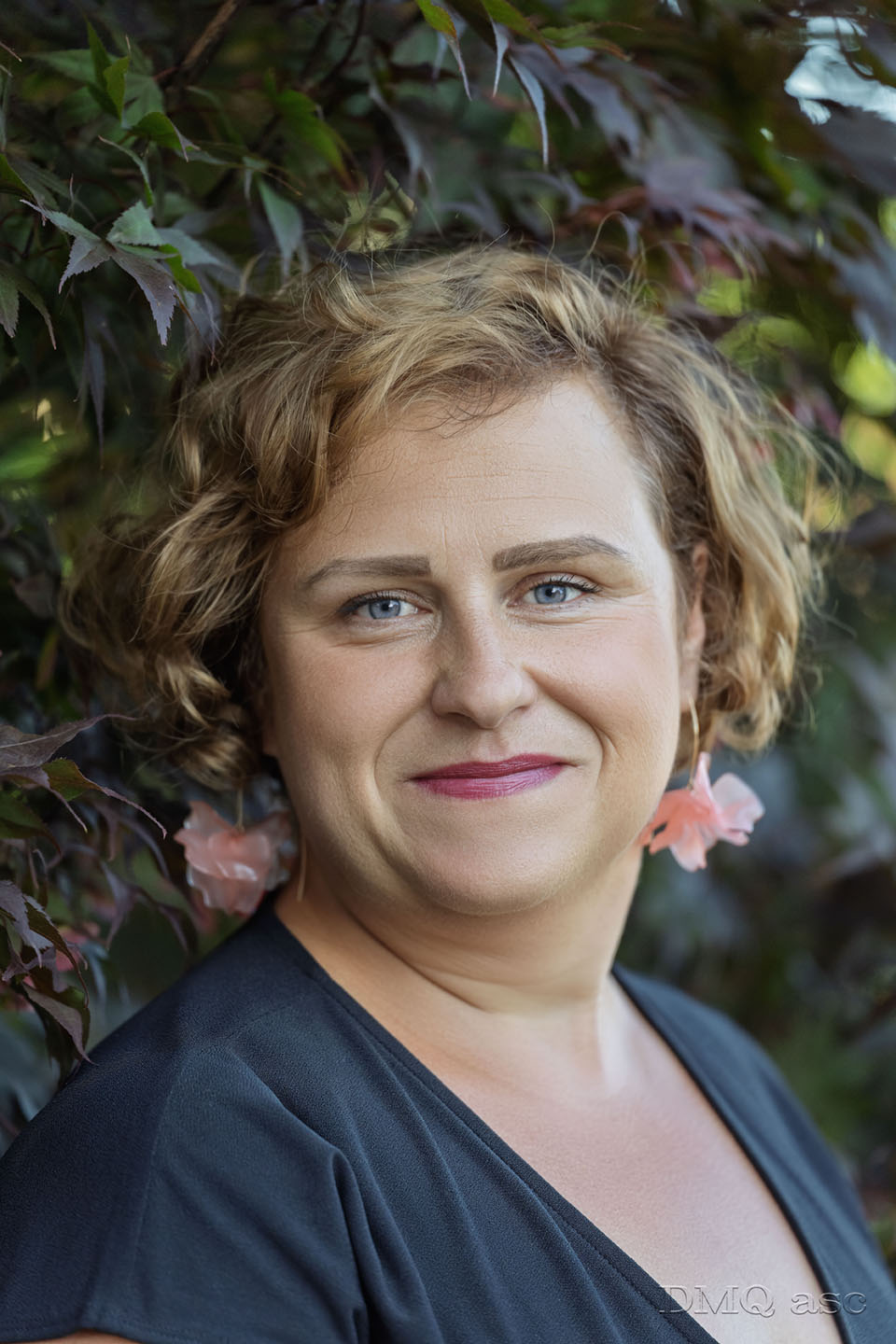
Why do I consider a photo a semi-finished product? Simply because I have never taken pictures only in JPG format—I always use dual recording, meaning JPG+RAW. RAW files are my base for post-production, and that journey usually begins with the Camera RAW filter in Adobe Photoshop. I use different techniques to process each frame. In this post, I limited myself to Photoshop features along with plug-ins such as Topaz Photo and the NIK Collection.
The portrait itself happened a bit by chance—I found myself in a place where… I had my camera with me.
Here I especially want to thank the person who agreed to pose during this session—and literally so. My model, Karolina, was able to carry the whole session effortlessly, striking all poses according to her own ideas, which undoubtedly made my job much easier. Thanks, Karolina!
I won’t go into too much detail about specific settings, but I’ll mention the basics I applied. The session took place in full afternoon sun, so we were particularly looking for diffused shade. I didn’t have any lens filters with me, so in Camera RAW most of the photos were toned—highlights pulled into blacks, shadows lifted, and the contrast slightly boosted. About 95% of the photos were not cropped, meaning the final results mostly came down to positioning the camera well.
Topaz Photo helped me sharpen the shots, while the NIK Collection gave the colors more vibrancy and life.
The next step was light retouching, though this was described in more detail in my post from September 24, 2024 – Retouching. Here I applied a similar method at about 30–40% intensity, without adjusting the lips, even though I could have emphasized them more—I felt they already carried the right expression.
The session ended with 20 high-quality shots that both I and my model are happy with. For me, this was a rather unusual activity since I’m not a professional photographer—if such a definition even exists, depending on where you draw the line and who decides it.
Portrait photography is relatively simple and pleasant because both the photographer and the model know what to do and how to behave, and the shutter speed is forgiving enough that it’s hard to make mistakes. The only variables might be the surroundings or later post-production. It’s much harder to capture fleeting moments measured in thousandths of a second, especially when the subject is unpredictable.
This week also brought up the topic of product photography, which will appear in future posts—the material has already been waiting nearly a year for graphic processing…
The final shots after post-production were saved both in the original lighting and colors, and with a toned-down, desaturated look—excluding sepia. The choice of photos shown here, however, I left to my model, to whom I once again give my thanks for the session and the meeting. Perhaps we’ll repeat it in a different setting.
The selected graphics showcase my ability to transform and create visual effects of a person, object, or landscape, based on the original background. The final result is subjective and reflects a specific time frame. Each of us perceives things differently, and each of us has a unique set of time resources and skills. Regularly published posts with specific thematic projects aim to systematically collect materials that demonstrate graphic possibilities.
Enjoy watching!