

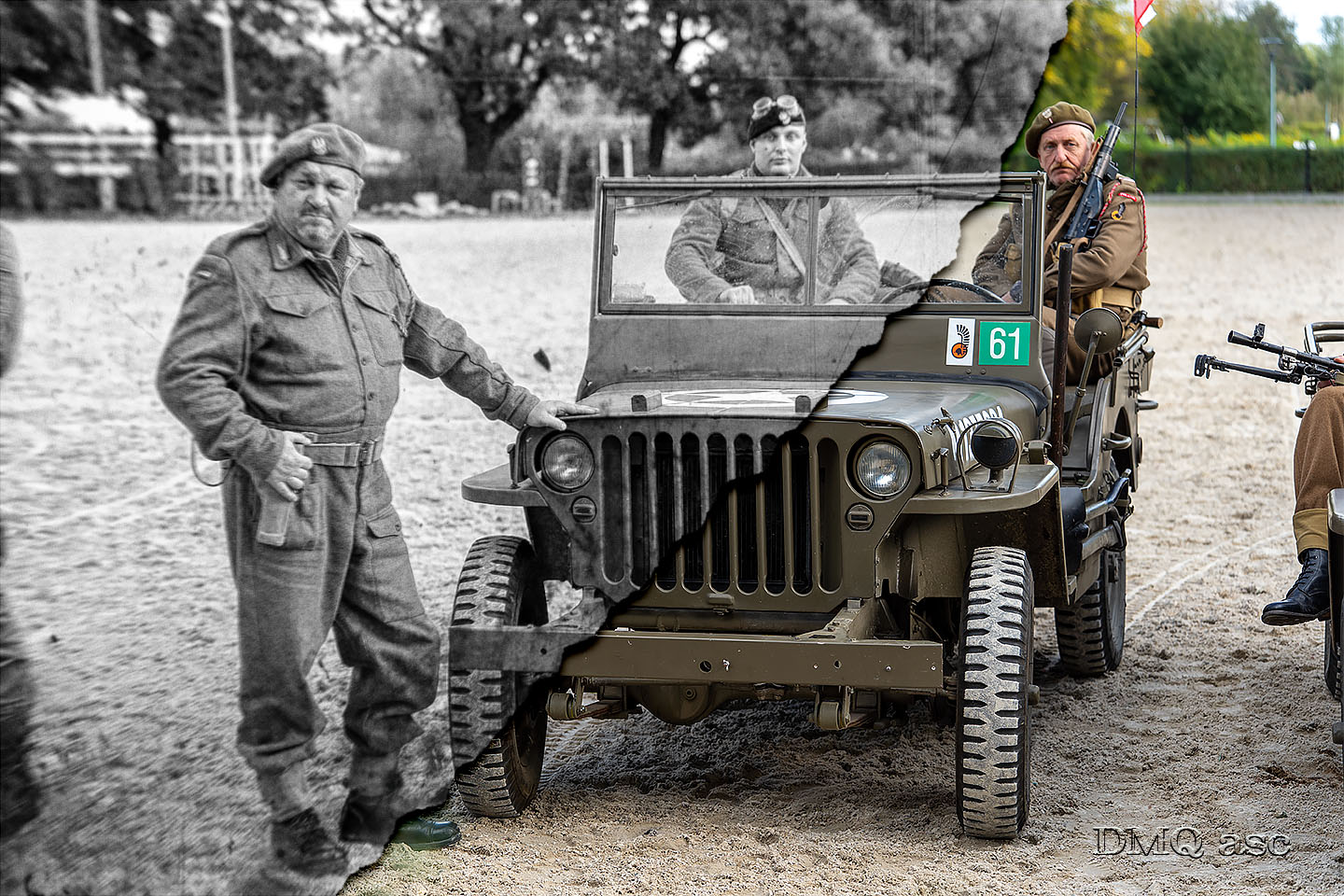
Fields of Glory 2024,
18th Edition,
Niepołomice, September 27–29, 2024.
This is a continuation of the post from October 10, 2024 – specifically, the second of three parts. In the first entry, I mainly outlined the nature of this recurring event, which brings together many historical reconstruction groups aiming to bring history closer to us. At that time, I created five graphics inspired by oil painting, using a base photo I had taken. It was a manual process involving color blending with different types of brush strokes drawn with a stylus on a graphic tablet. The color blending was applied over a canvas-like texture with subtle emphasis on paint thickness.
For more information see link below:
Fields of Glory in oil paint style
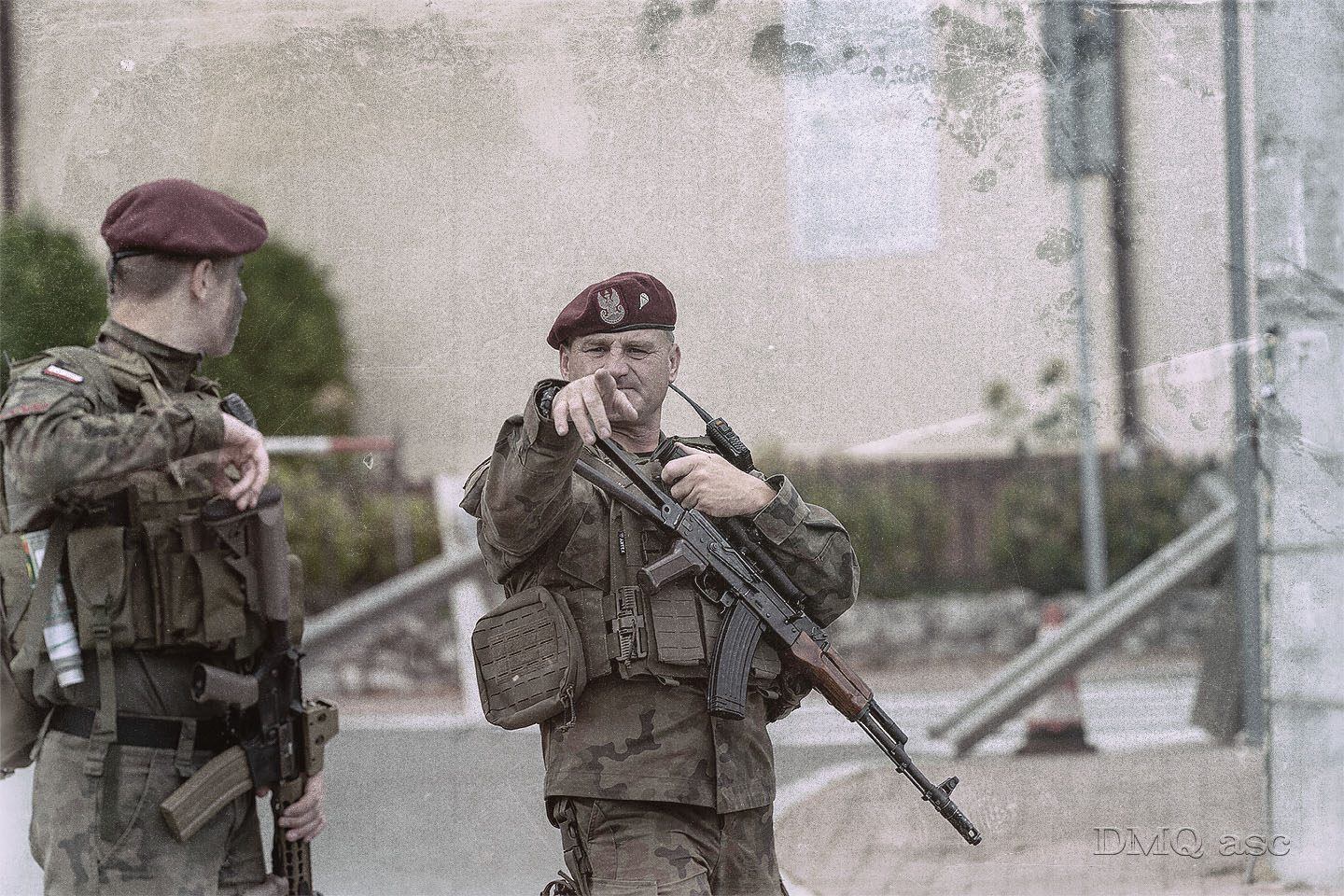
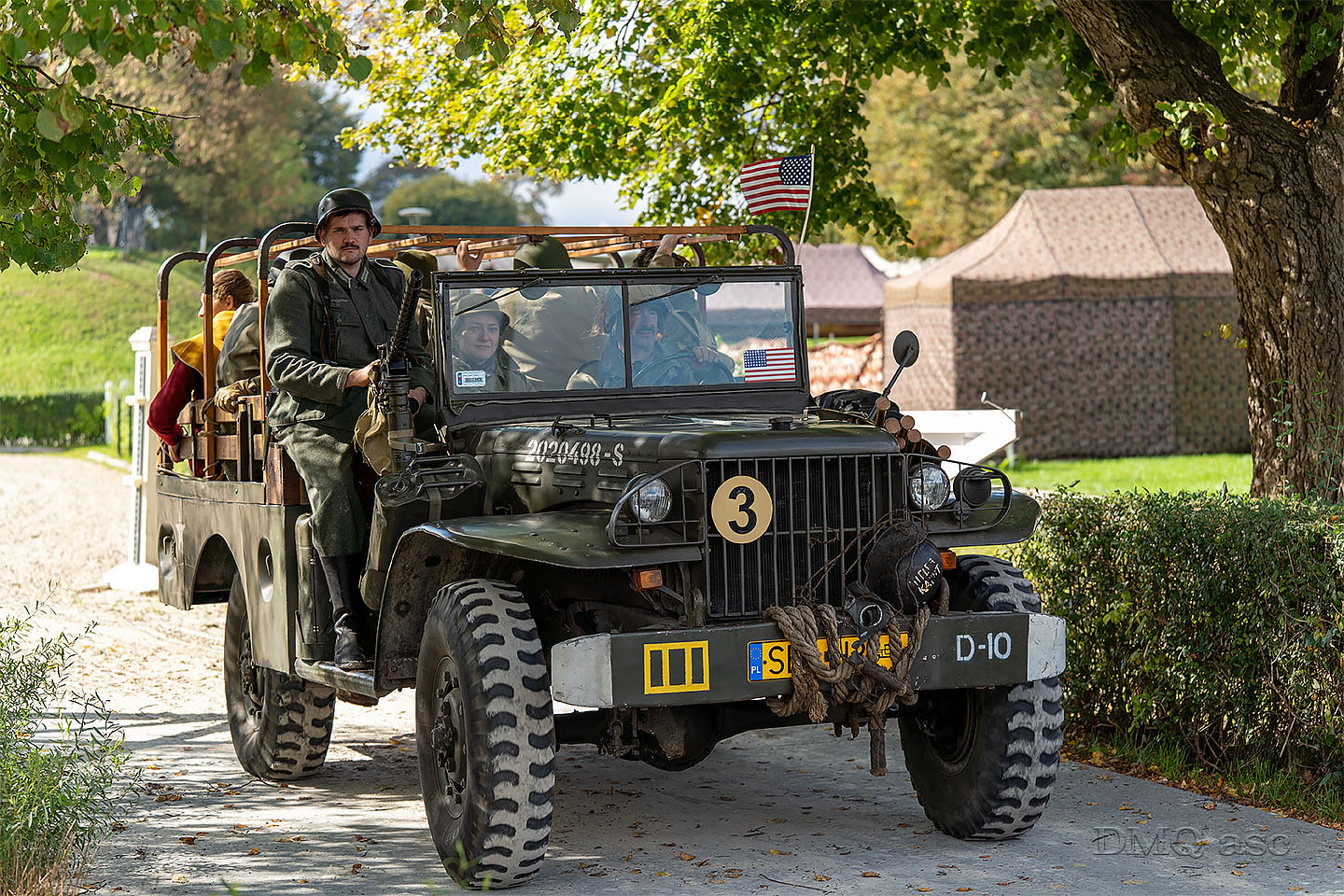
In the current post, still focused on the same event, I wanted to explore a different technique — an automatic one. The work was done entirely in Photoshop using the NIK Collection filter set by DxO, but I adjusted the mood and tones of the graphics myself. My main theme was to showcase the military aspect and take it back in time. Therefore, my current technique involves aging photos in an analog style, aiming for a look from around 30 to 60 years ago.
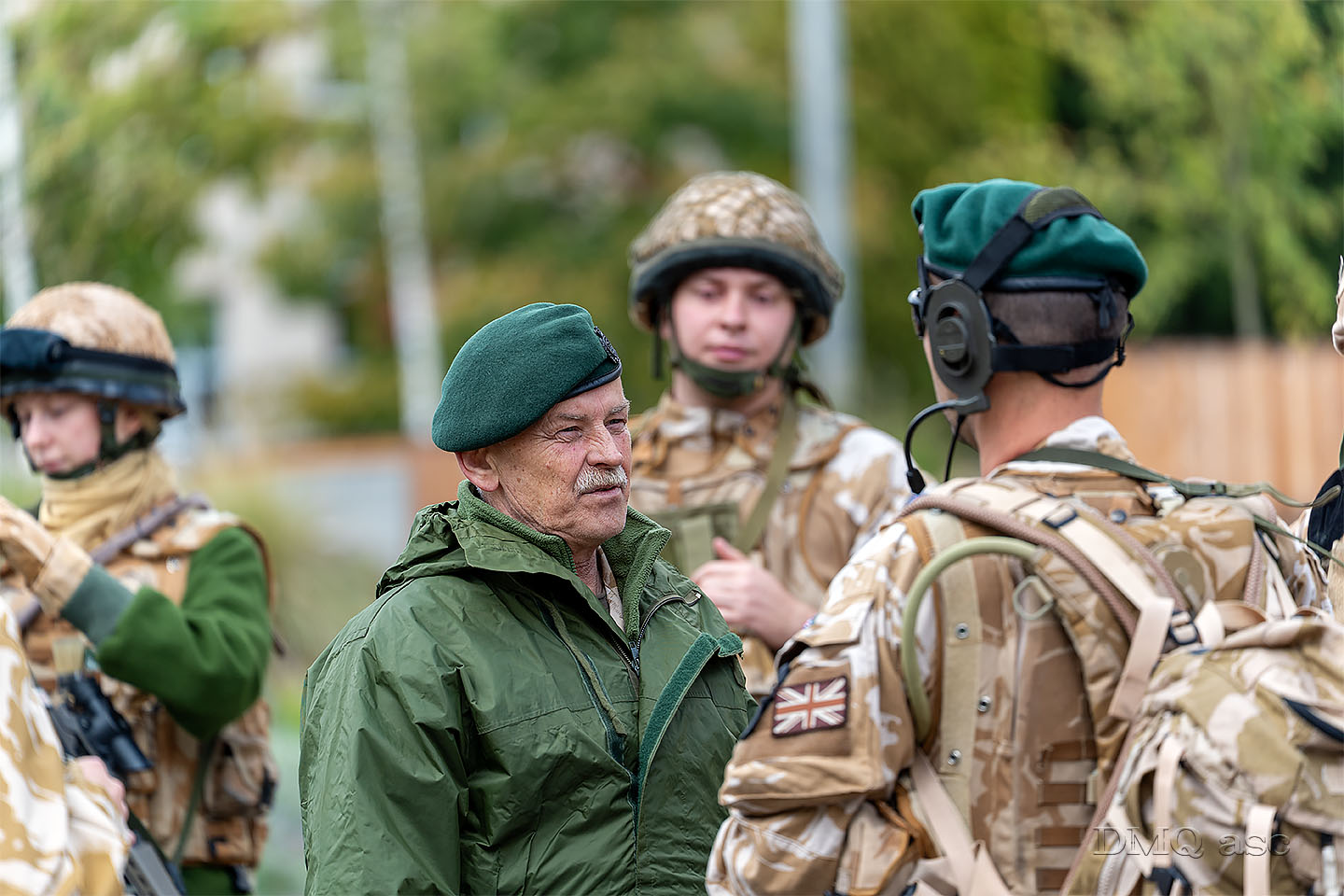
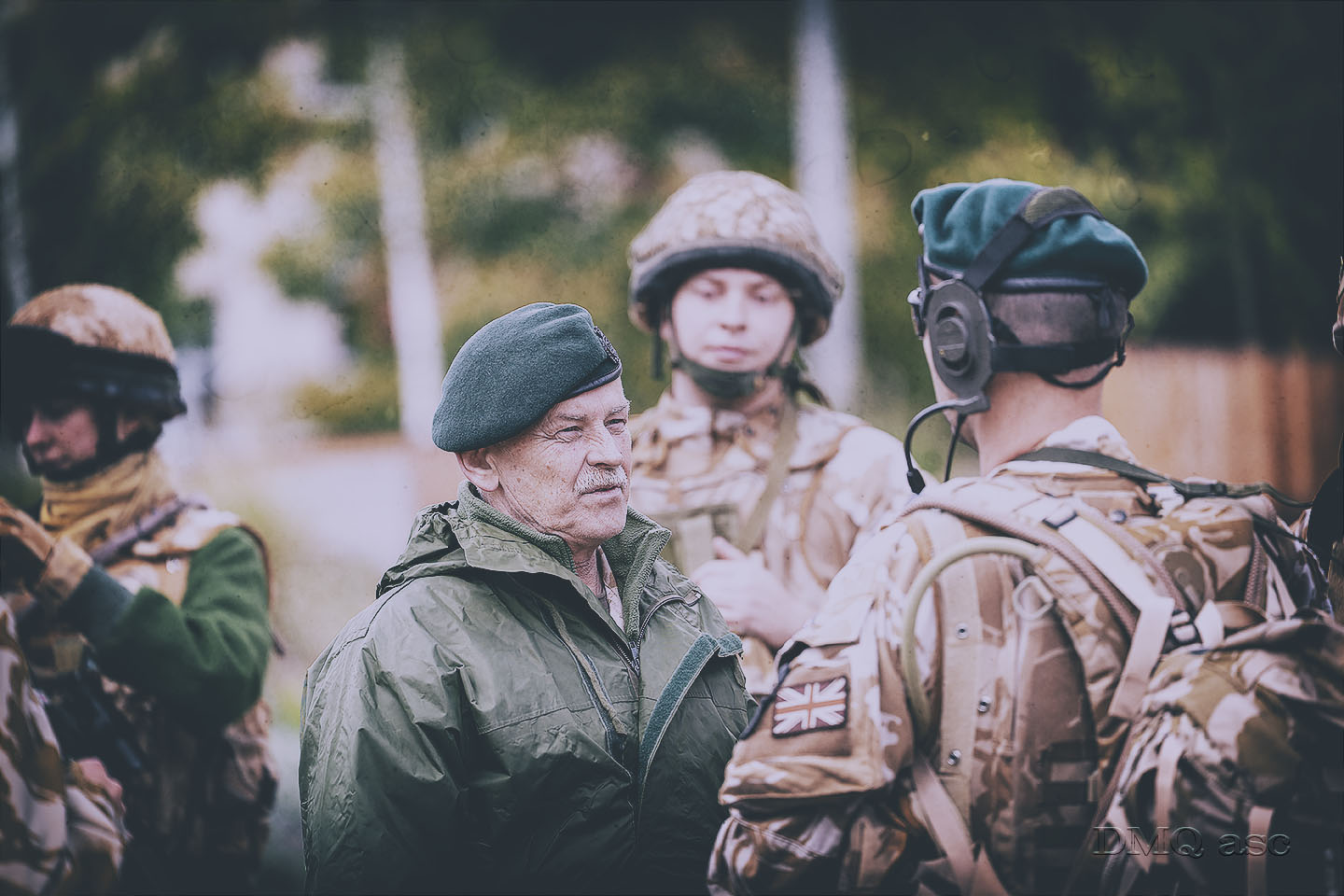
In this graphic, I slightly reduced the detail visibility and saturation. Organic dirt and a strong vignette were added.
Filmotype: Sakai
f/3.2 – 1/400s – ISO 160 – 70–180@180mm
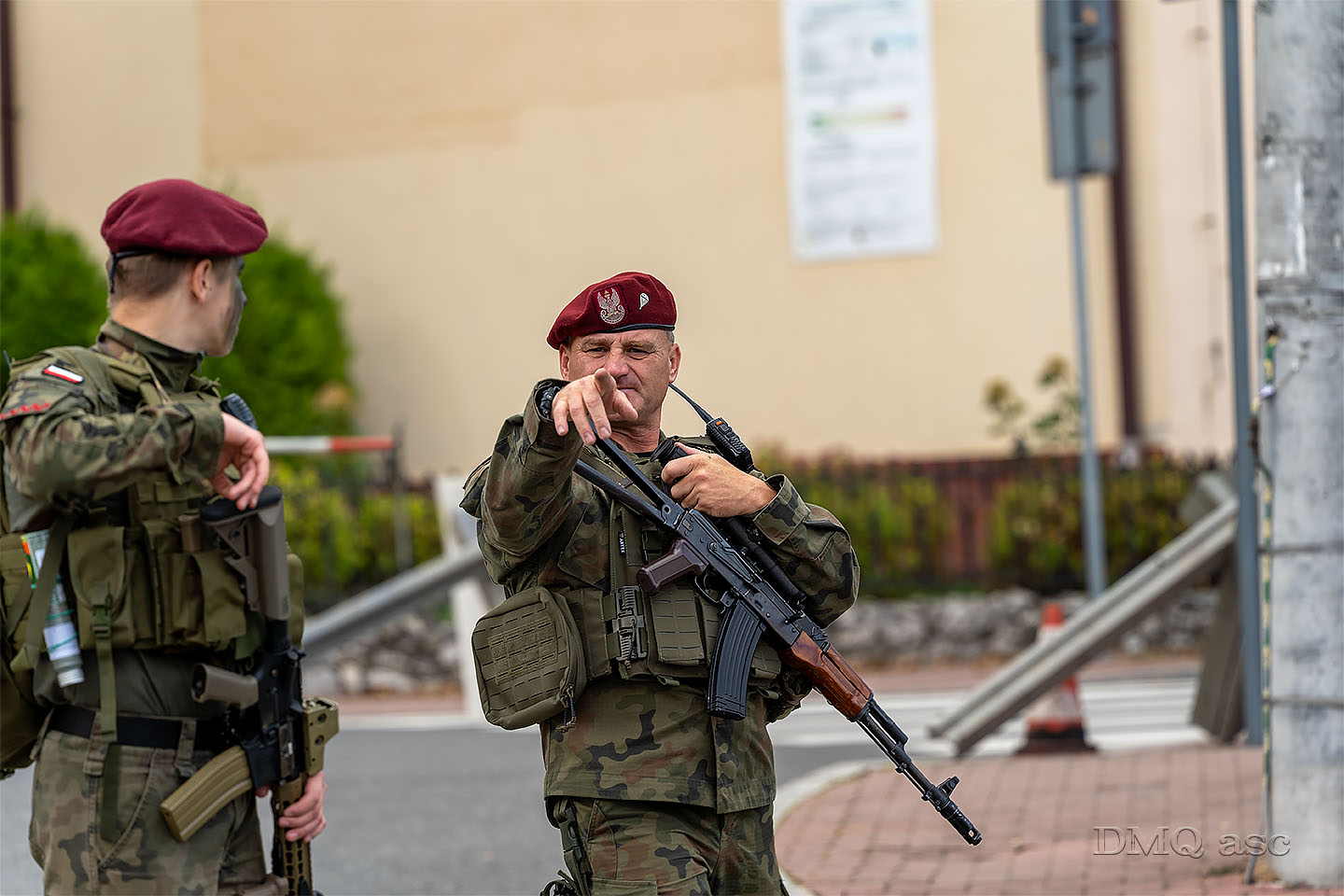
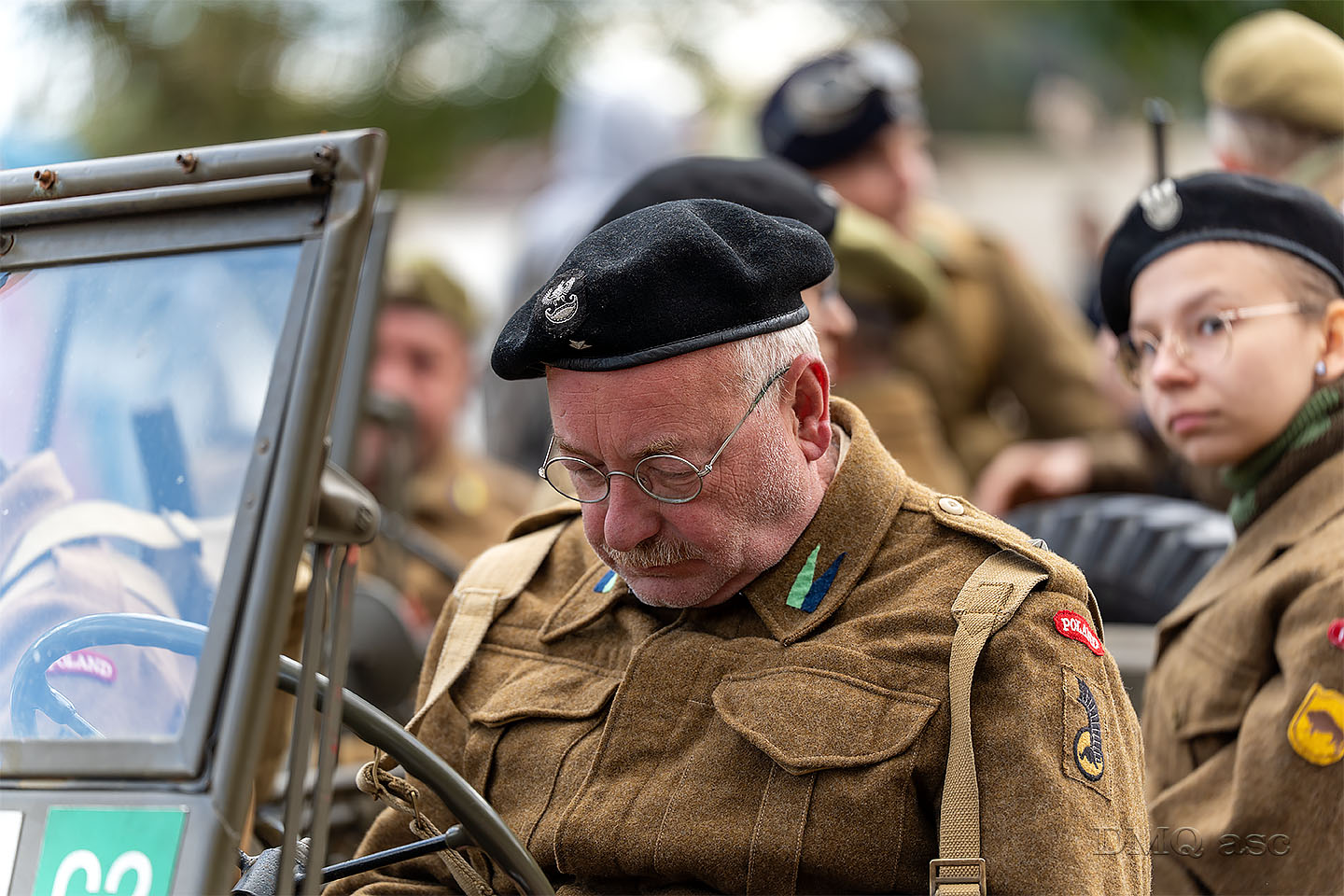
Here, I fully enhanced detail visibility and deepened saturation significantly. I added subtle overexposure and a corroded look.
Filmotype: Glacier
f/4.5 – 1/400s – ISO 160 – 70–180@180mm
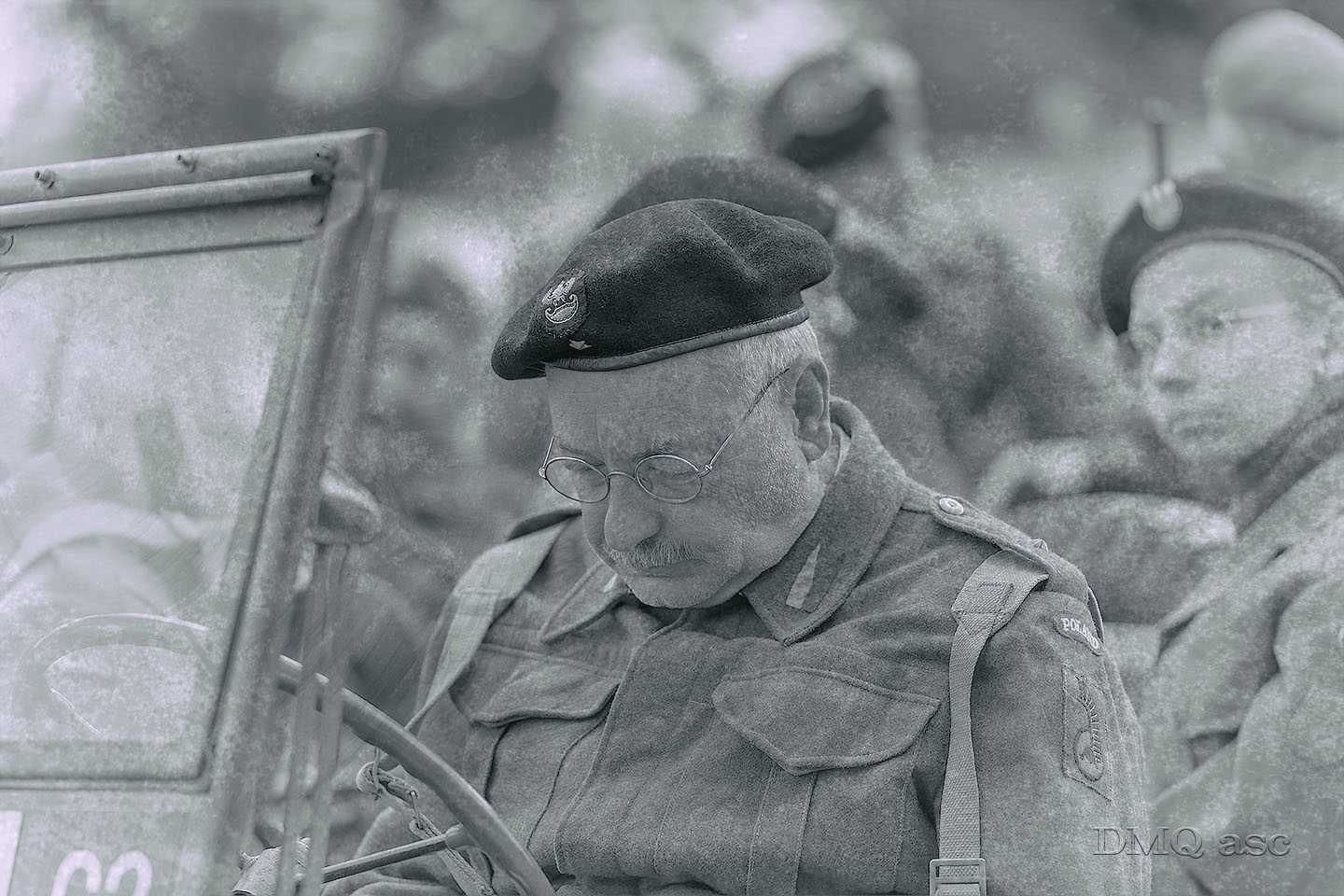
Details were preserved, but all colors were removed. I added scratches and vertical discoloration streaks. A slight reversed vignette.
Filmotype: Glacier
f/2.8 – 1/400s – ISO 160 – 70–180@143mm
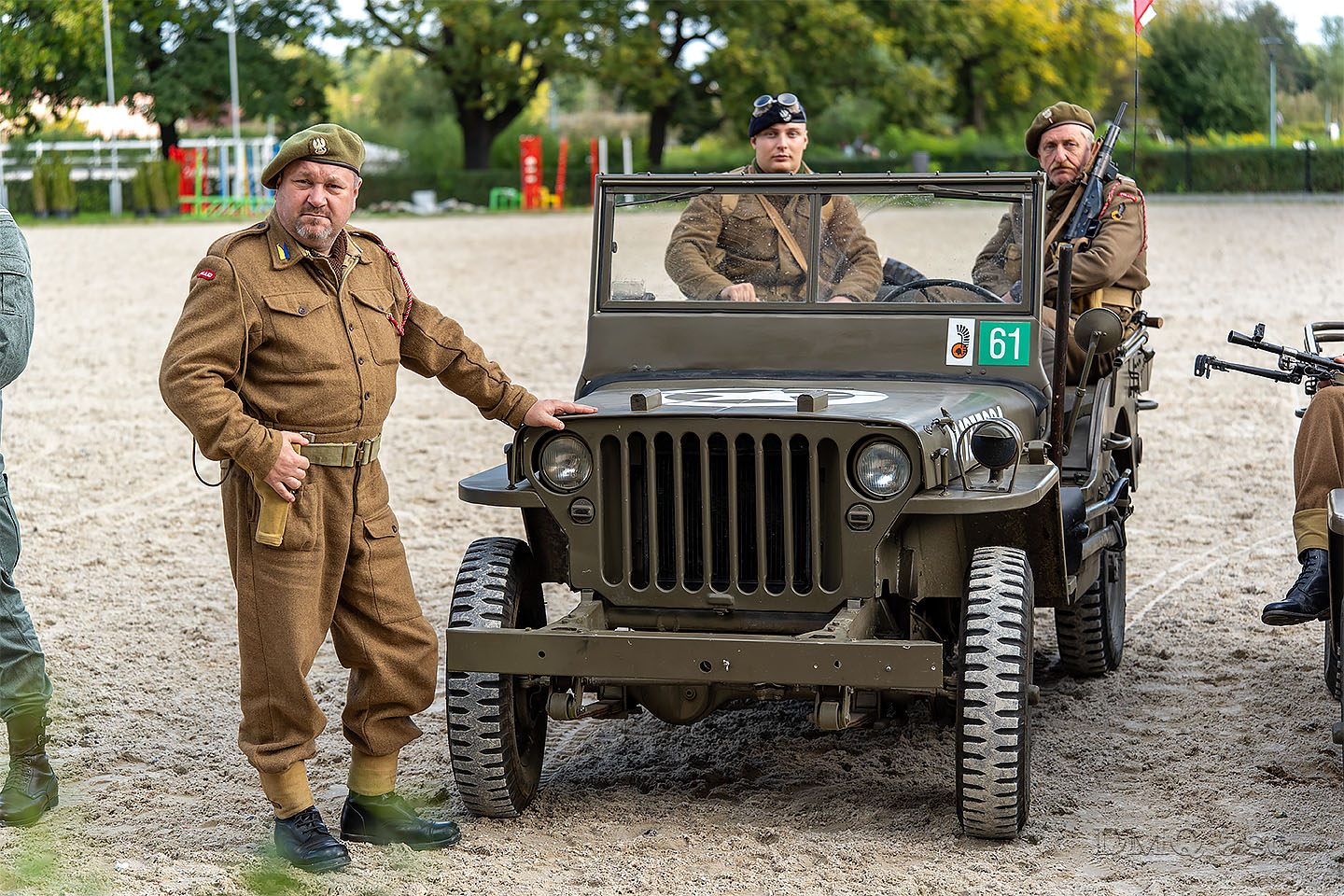
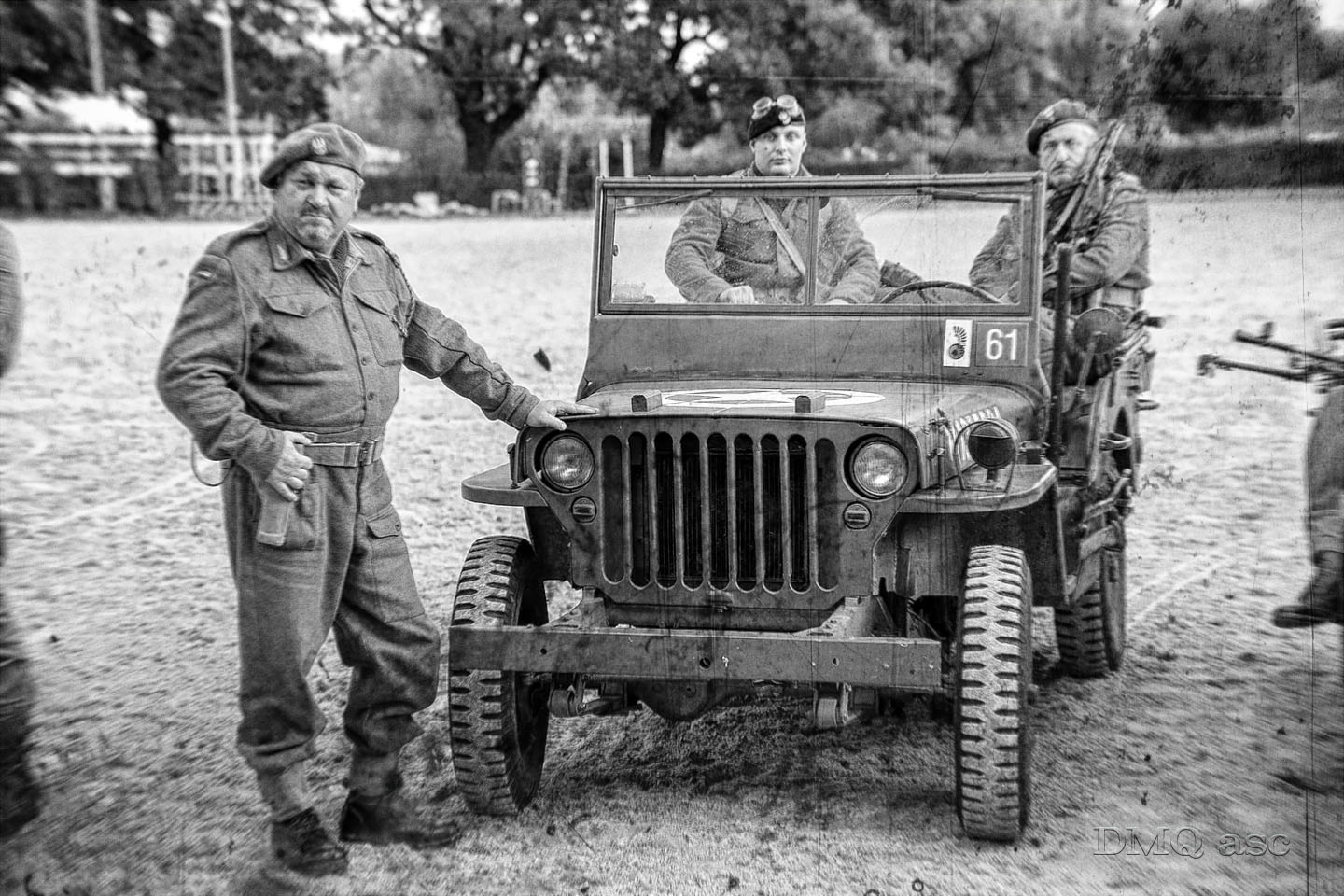
Details are half-preserved, but the image is colorless. Visible dirt and scratches. Slight barrel distortion in the corners, soft vignette.
Filmotype: Bolton
f/3.2 – 1/500s – ISO 100 – 70–180@70mm
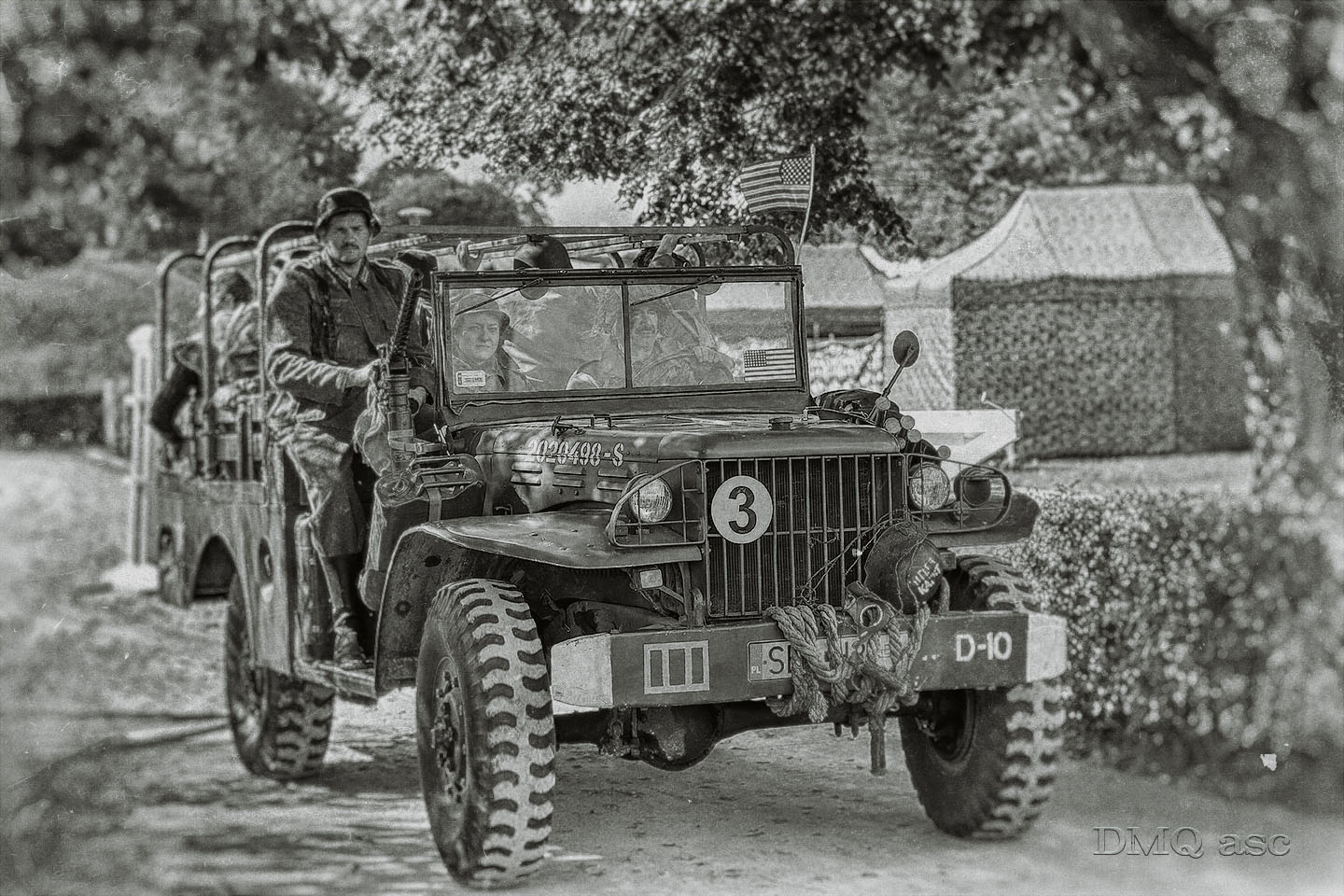
This graphic has neither details nor color. I added small, dense scratches and dirt. Fading stains were applied.
Filmotype: Nikko
f/3.2 – 1/500s – ISO 100 – 70–180@70mm
That era was dominated by black-and-white images or ones with slight color tinting. The photos are meant to appear modern in composition but affected by distortions such as stains, dirt, wear, scratches, and fading. I can’t say for sure how such images would look if printed with modern technology, but I plan to print all five and mechanically damage only the surface of each photo. I will share the final result later.
Being on-site or seeing modern color photos from the event already evokes a sense of historical memory — but aging the images significantly intensifies that feeling.
For each photo, I’ll briefly describe the main changes made. With more time, the result might have been quite different, but I believe this version is solidly satisfying.
You’re also warmly invited to attend the upcoming 19th edition, which will take place in Niepołomice near Kraków from September 26–28, 2025.
This year, I plan to get closer to the event and also attempt to incorporate Artificial Intelligence into the project — though the result will be available only in autumn this year.
Useful links to reconstruction group events:
🔗 https://polachwaly.pl/
🔗 https://www.facebook.com/PolaChwaly
Link to the NIK Collection filter by DxO:
🔗 https://nikcollection.dxo.com/
🔗 https://www.facebook.com/groups/1130074967140941/
The selected artworks demonstrate my ability to transform the visual appearance of a person, object, or landscape based on an original reference. The final effect is subjective and relates to a chosen time period. Each of us perceives things differently, and we all have different time-related awareness and skills. These regularly published posts with specific thematic projects aim to systematically showcase graphic capabilities.
Enjoy exploring and testing!